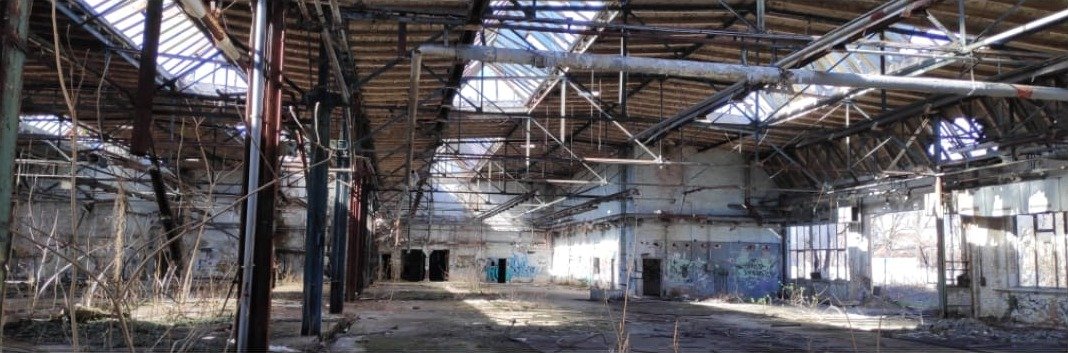
Berlin is a true paradise for lovers of abandoned places. After the division of the city, the fall of East Germany and German reunification, lots of buildings were left behind that had lost their purpose – plus places that simply went bankrupt. In 2018–2019, first on short visits and later while we lived in Berlin for a while, we explored several of them: an abandoned anatomy institute, Germany’s first commercial airfield, a closed water park and a former children’s hospital. On top of that, two famous places that you now visit with a ticket – Spreepark and Teufelsberg. Every exploration became a video on my YouTube channel – you will find them in the relevant sections.
If you prefer classic sightseeing, have a look at the post following the Berlin Wall – it is the best introduction to the city’s history, without which many of these places are hard to understand.
Note: this post describes the situation in 2018–2019. Some of these places no longer exist – the Institute of Anatomy and the BLUB water park have been demolished and replaced by housing estates, and a housing estate is also being built where the halls at Johannisthal airfield stood. The hospital in Weißensee is now guarded, and Spreepark and Teufelsberg can be visited on guided tours. Treat this post more as a story about Berlin’s history than as a guide.
Table of contents
- The abandoned Institute of Anatomy (January 2018)
- Spreepark and Teufelsberg – visiting with a ticket (October 2018)
- Johannisthal airfield (April 2019)
- The BLUB water park (April 2019)
- Weißensee children’s hospital (September 2019)
- Urbex – a few rules
The abandoned Institute of Anatomy (January 2018)
My first Berlin urbex took place on 20 January 2018, while visiting my sister. Patrycja and I were originally aiming for Teufelsberg, but it turned out that just about 2 km from where we were staying stood the abandoned Institute of Anatomy (Institut für Anatomie) – in the Dahlem district, right next to the Berlin Botanical Garden. So we left the Devil’s Mountain for another time.
The building belonged to the Free University of Berlin (Freie Universität Berlin). The medical school was founded in the American occupation zone in 1948, and the university moved into the building on 20 November 1949. In 2003 it merged with the Charité, in 2005 both moved to a shared campus, and the old building was left empty.
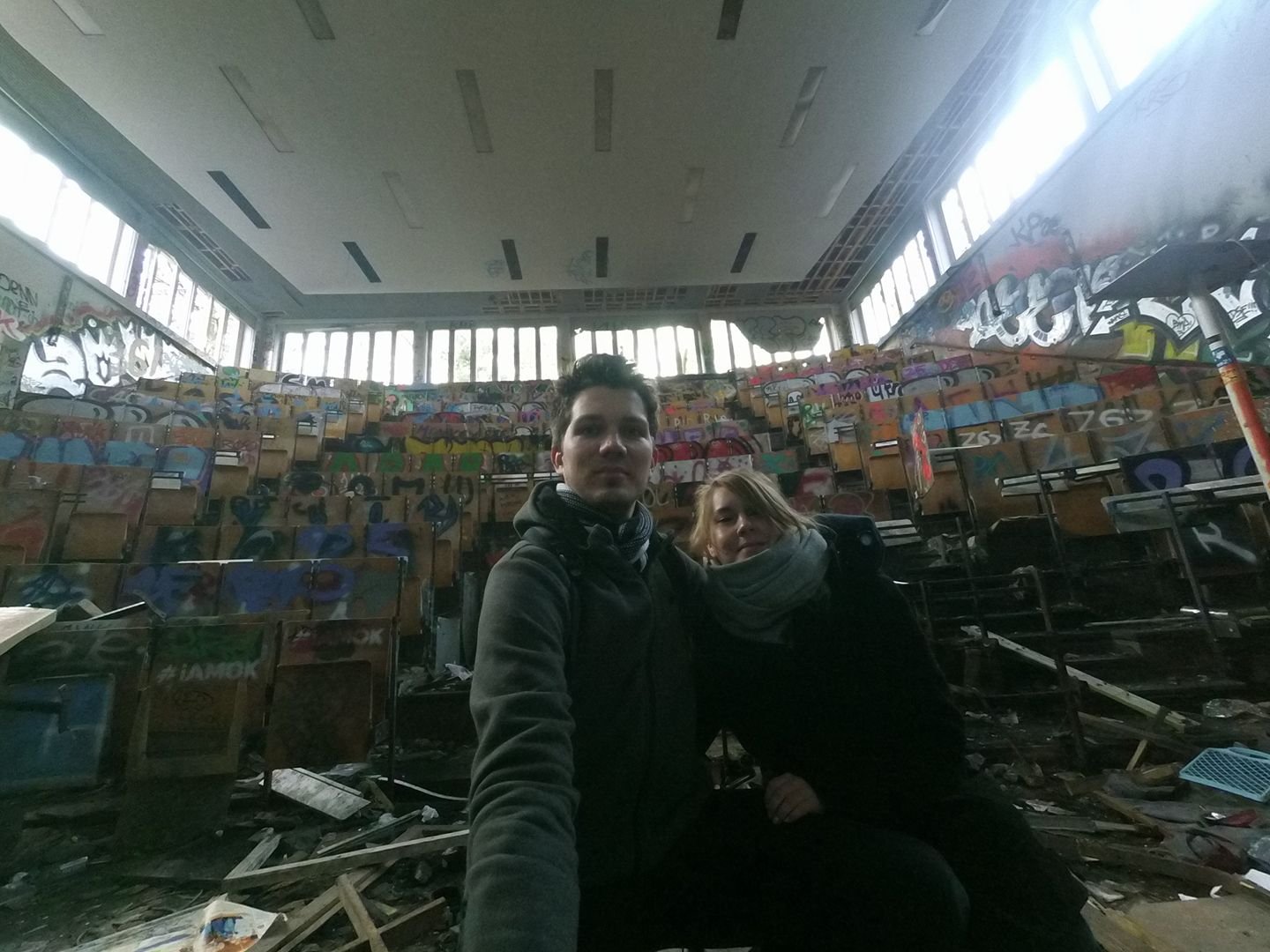
Inside we saw, among other things, research labs, classrooms, a lecture hall, a washroom and a heating substation, and in the basement – a dissection room with an autopsy table and a whole set of rooms with refrigerated chambers. Despite ongoing vandalism (in videos from a few years earlier some rooms were in far better shape), plenty of electrical installations, old equipment, furniture and documents were still there. The only thing we missed was the practical classroom with a dissection table in the middle and seats for students all around – which left us a little unsatisfied. I also regret not having a decent torch yet, because the basement footage came out poorly. A month later I bought a stronger one, and you can see the difference in the following videos.
Today: the Institute of Anatomy is gone – the building was demolished in 2021, and since 2023 a housing estate with 106 flats, 50 of them for students, has been going up in its place.
 8:18
Spreepark and Teufelsberg – visiting with a ticket (October 2018)
At the end of October 2018, after returning from Work & Travel in the USA, we had a few days in Berlin and I finally wanted to see the two most famous abandoned places in the city. Both are fenced off today and entry is paid.
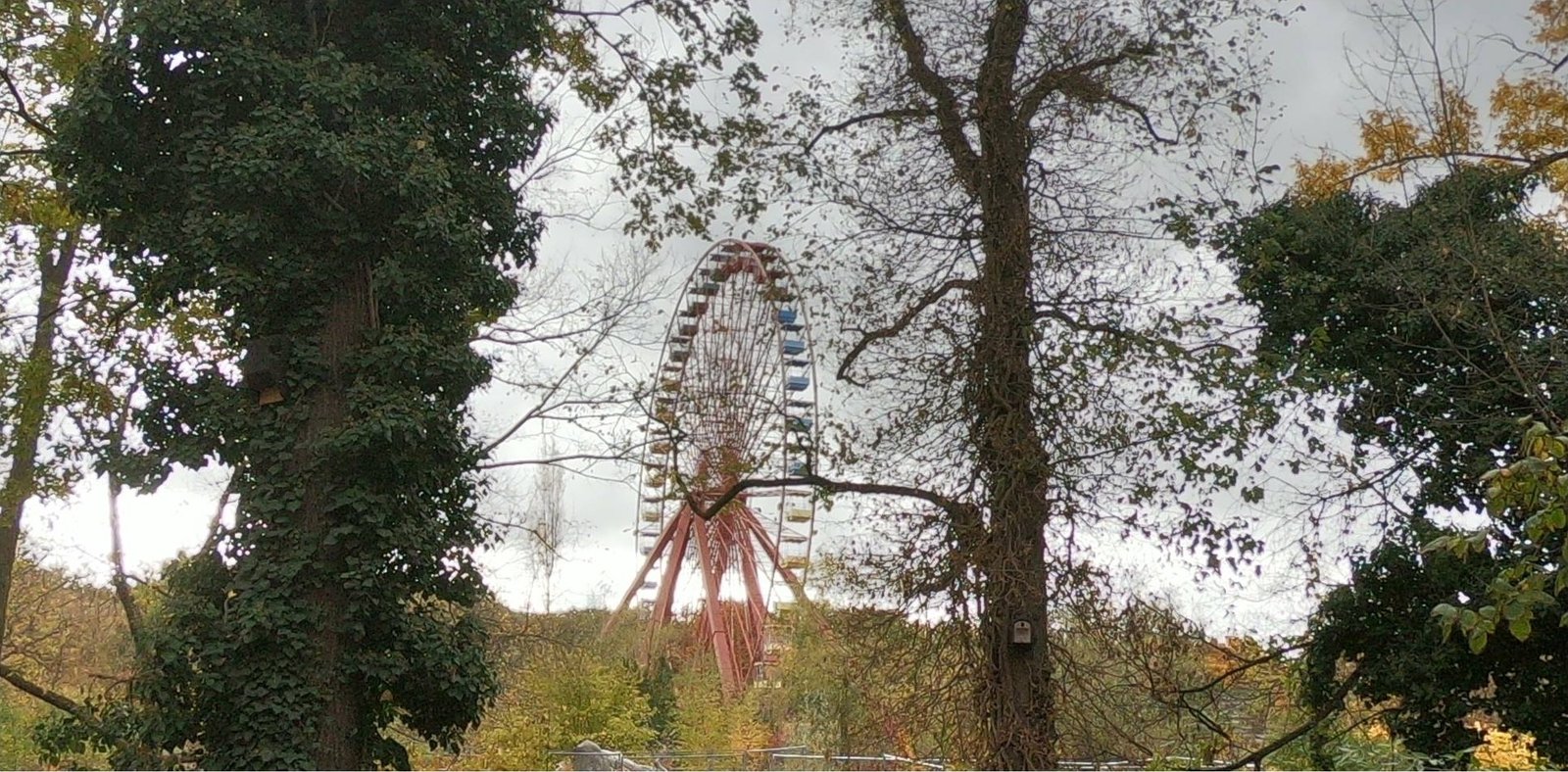
Spreepark is a former amusement park in Plänterwald park, closed in 2002 and for years one of urban explorers’ favourite destinations. By 2018 the site was tightly fenced and paid tours were taking people around the park (€5 for adults, €3 for children). The tickets were sold out until the end of the season, so we only walked around the park – an old Ferris wheel stuck out above the trees.
Today: Spreepark is undergoing a major redevelopment and is due to reopen in spring 2027 as a place for art, culture and nature. The restored 45-metre Ferris wheel is already back in place.
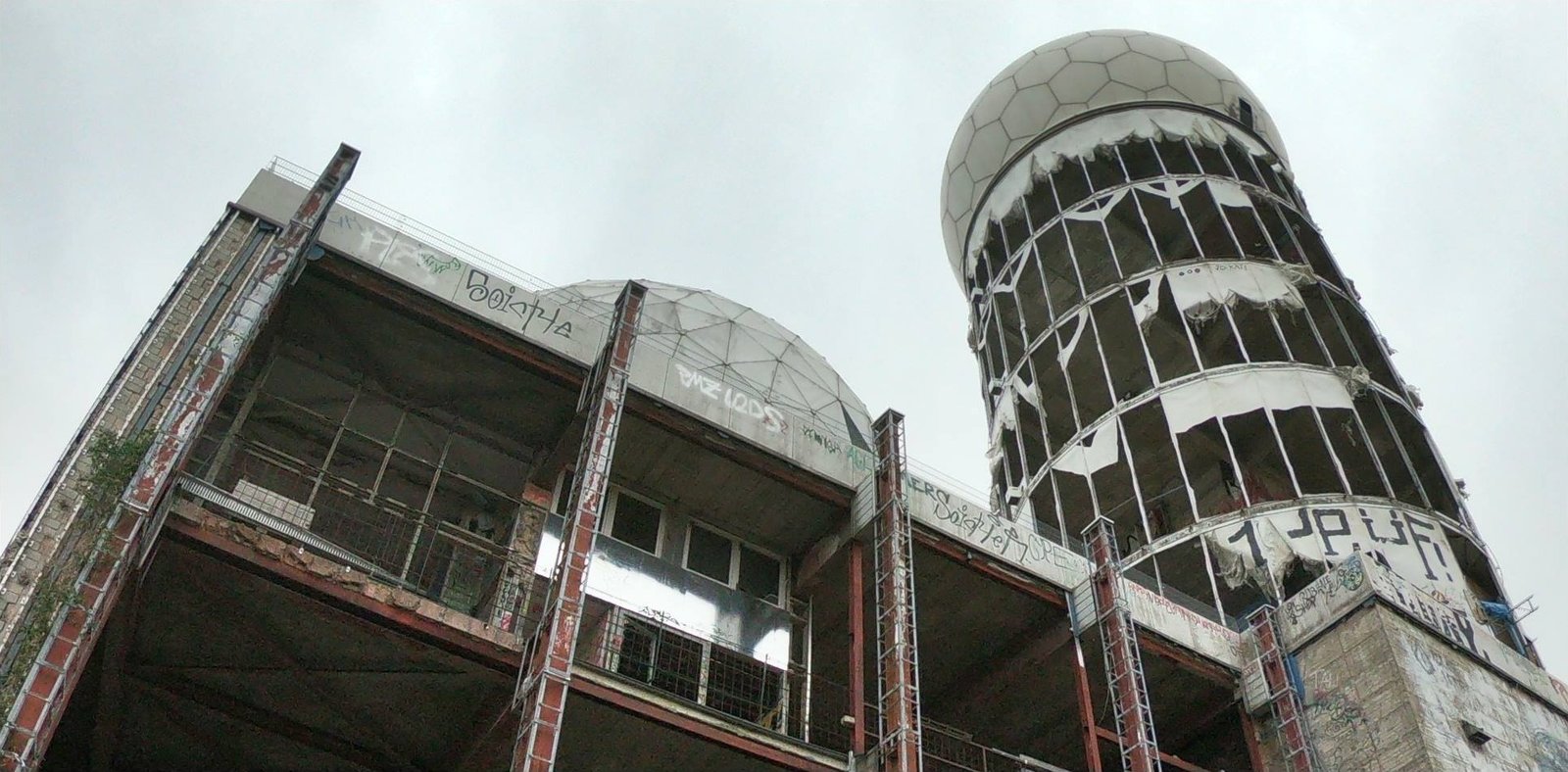
Teufelsberg, the Devil’s Mountain, is an artificial hill piled up from the rubble of post-war Berlin. During the Cold War the Americans and the British ran a listening station on top of it – the radar supposedly reached as far as Moscow. Entry to the site cost €5, and this time there was no problem with tickets. Unfortunately, since the beginning of 2018 the city had banned access to the radar tower for safety reasons, and that was exactly what I wanted to see most. What remained were the ruins of buildings with the characteristic radar domes.
Today: the former listening station has been a listed monument since 2018. You visit it with a guide (about 1.5 hours), and you can once again look out over Berlin from the tower building.
Johannisthal airfield (April 2019)
On 1 April 2019 – April Fools’ Day, though this was no joke – we went to the site of the former Johannisthal airfield. It opened in September 1909 as Germany’s first commercial airfield, just a few weeks after the world’s first one in Reims, France. After Tempelhof airport opened in 1923, civilian traffic at Johannisthal was stopped and the military took over the site again. From 1952 it was no longer a public airfield; it was officially closed in 1995 and then turned into commercial buildings, housing estates and a landscape park.
What impresses most is the size of the site – it is hard even to tell where the historic airfield ended. Without the observation tower we would not have been sure which building belonged to it. In the ruined halls and offices we came across the remains of a server room, a reception and bathrooms, electrical, plumbing and cooling installations, and even a heating substation. There were also hangars where planes once stood, a basketball court in one of the halls and a basement decorated as if some cult held parties there. Next to the collapsed building of a former printing house lay piles of birthday cards.
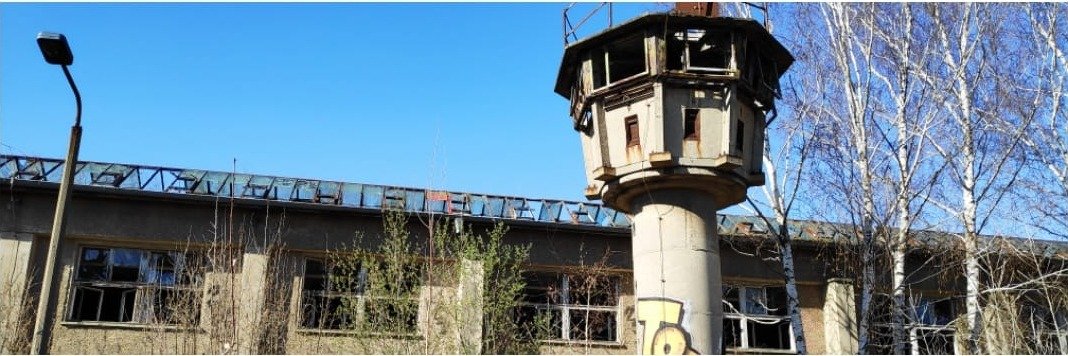
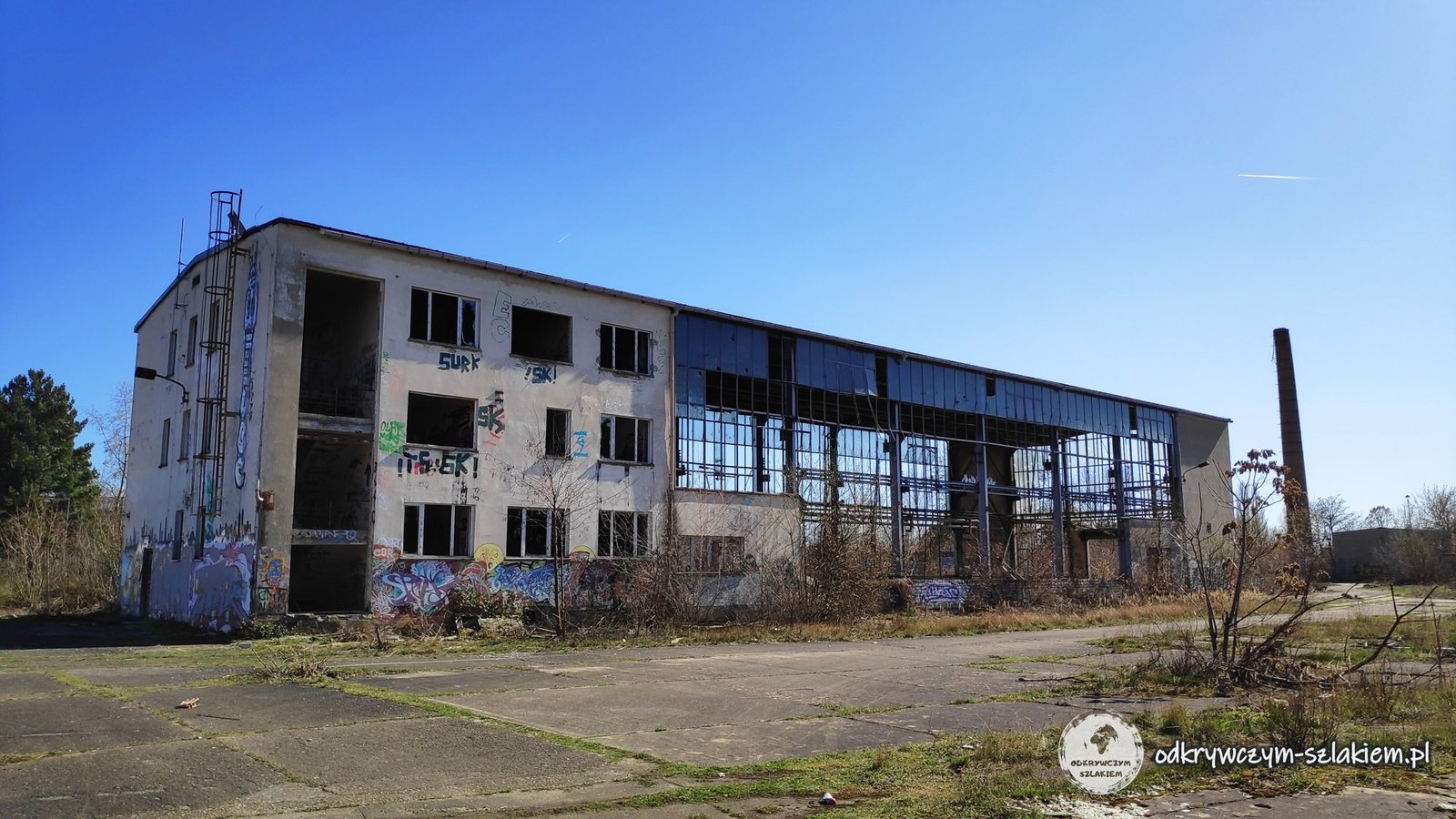
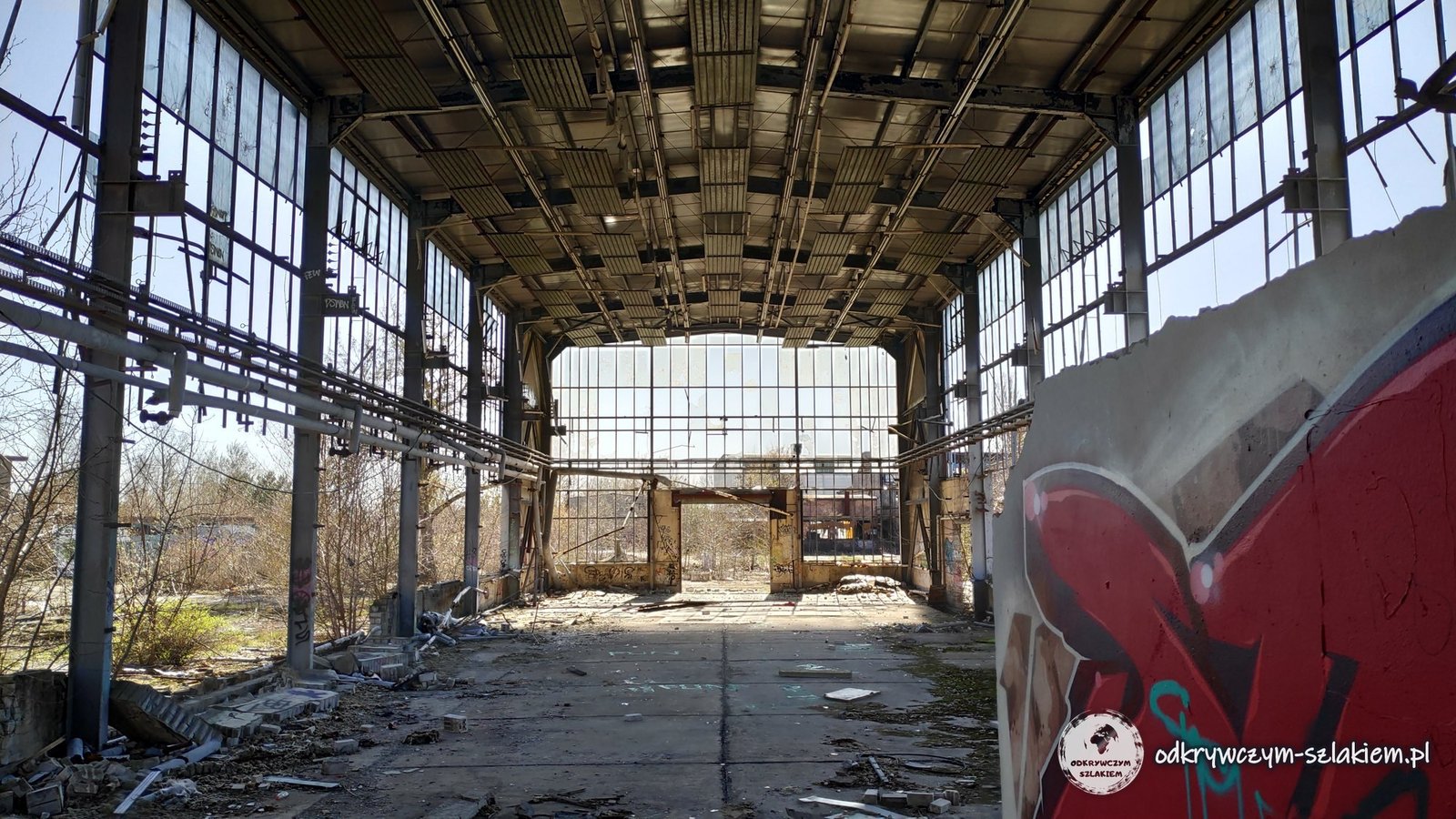
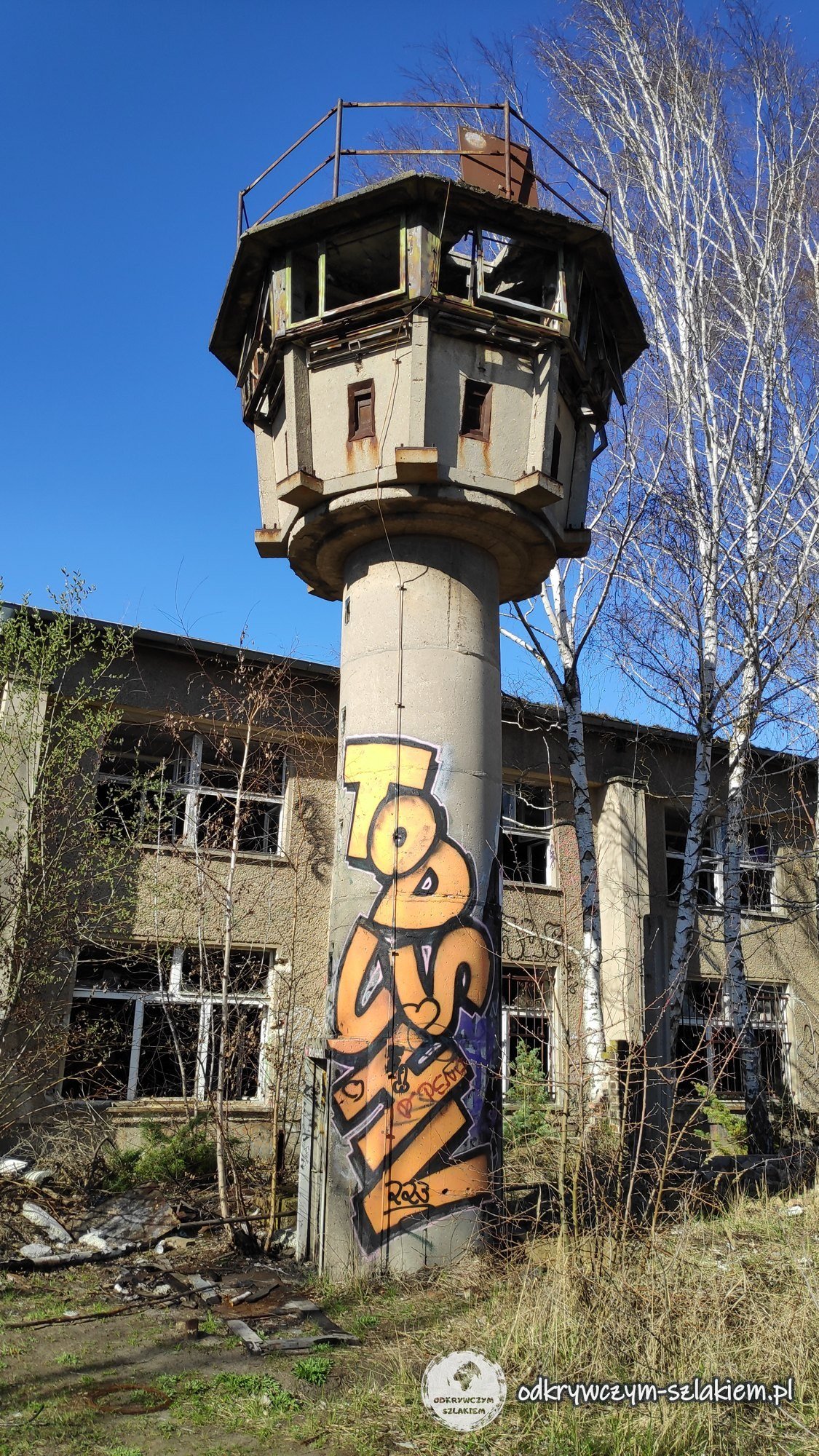
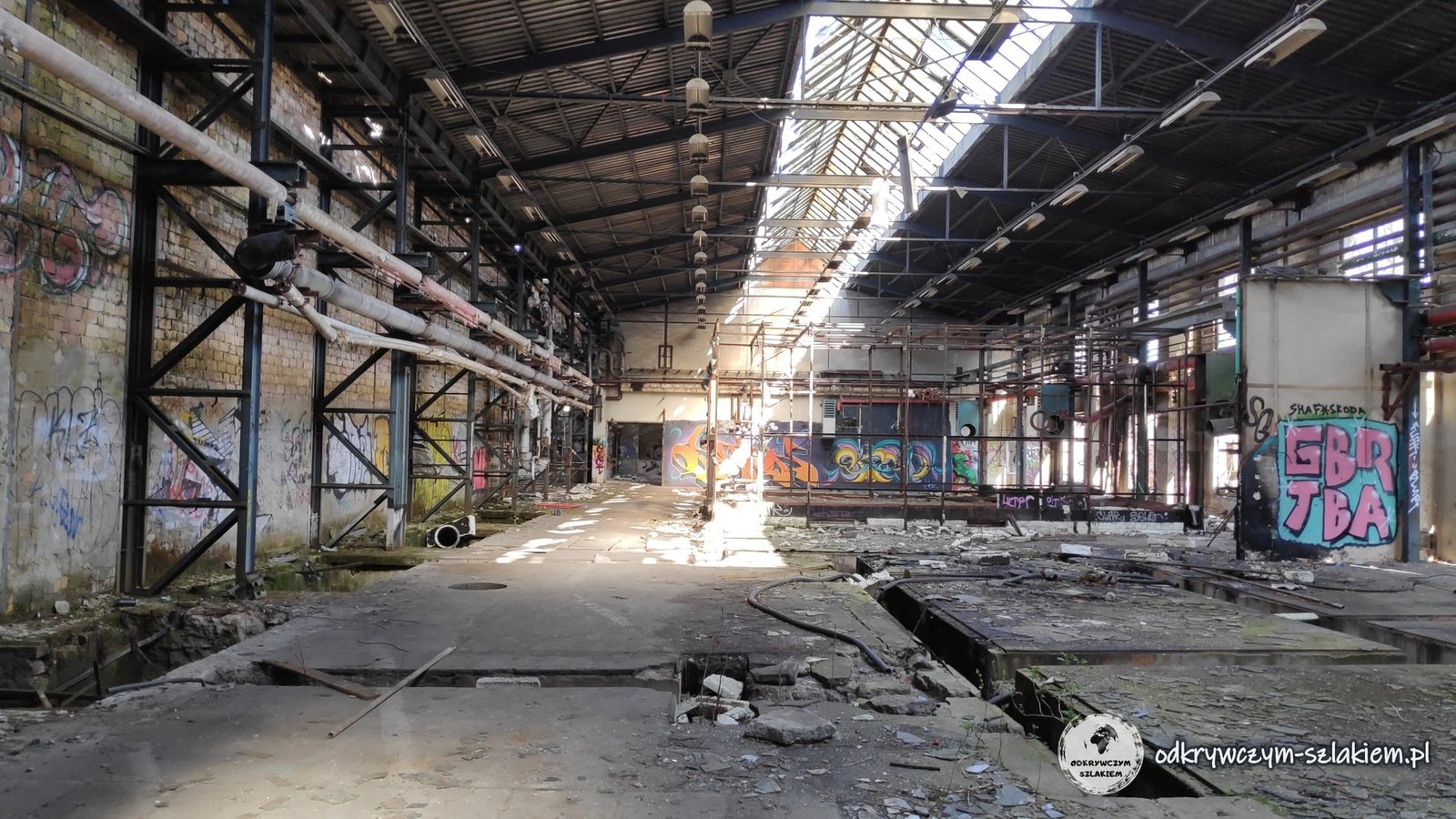
Finally we climbed the watchtower, from which you could once see the runways – today it is the Johannisthal/Adlershof landscape park.
Today: the halls on the edge of the former airfield – after the fall of the Wall a favourite spot of explorers and graffiti artists – are making way for the new Segelflieger-Quartier housing estate with about 1800 flats. Construction is due to last until 2031, and some of the historic halls may disappear.
 13:19
The BLUB water park (April 2019)
The same day we looked into the abandoned BLUB water park in the Neukölln district. The Berliner Luft- und Badeparadies opened in 1985 – it had many pools, boutiques, a restaurant, a gym, a bar and a large garden with saunas. After years of complaints about safety and hygiene, it was closed in 2002 when rats and bird droppings were found in the water. New plans could not be financed and the company went bankrupt. From 2013 there were several fires, and in 2016 almost the entire main building burned down, roof and all.
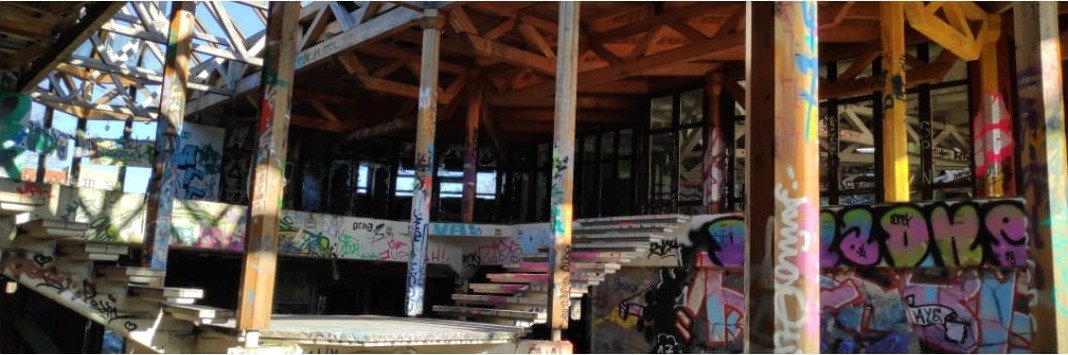
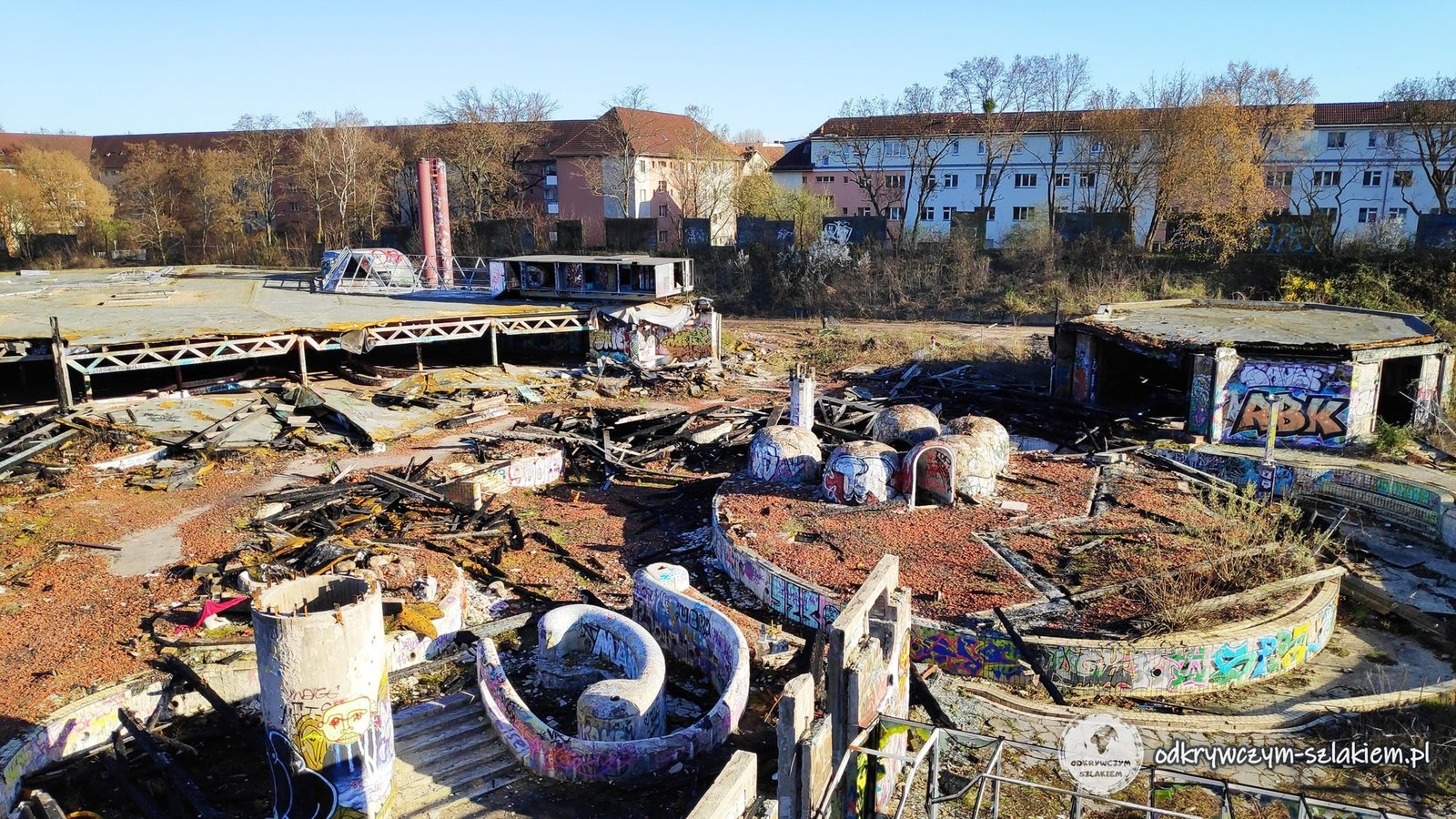
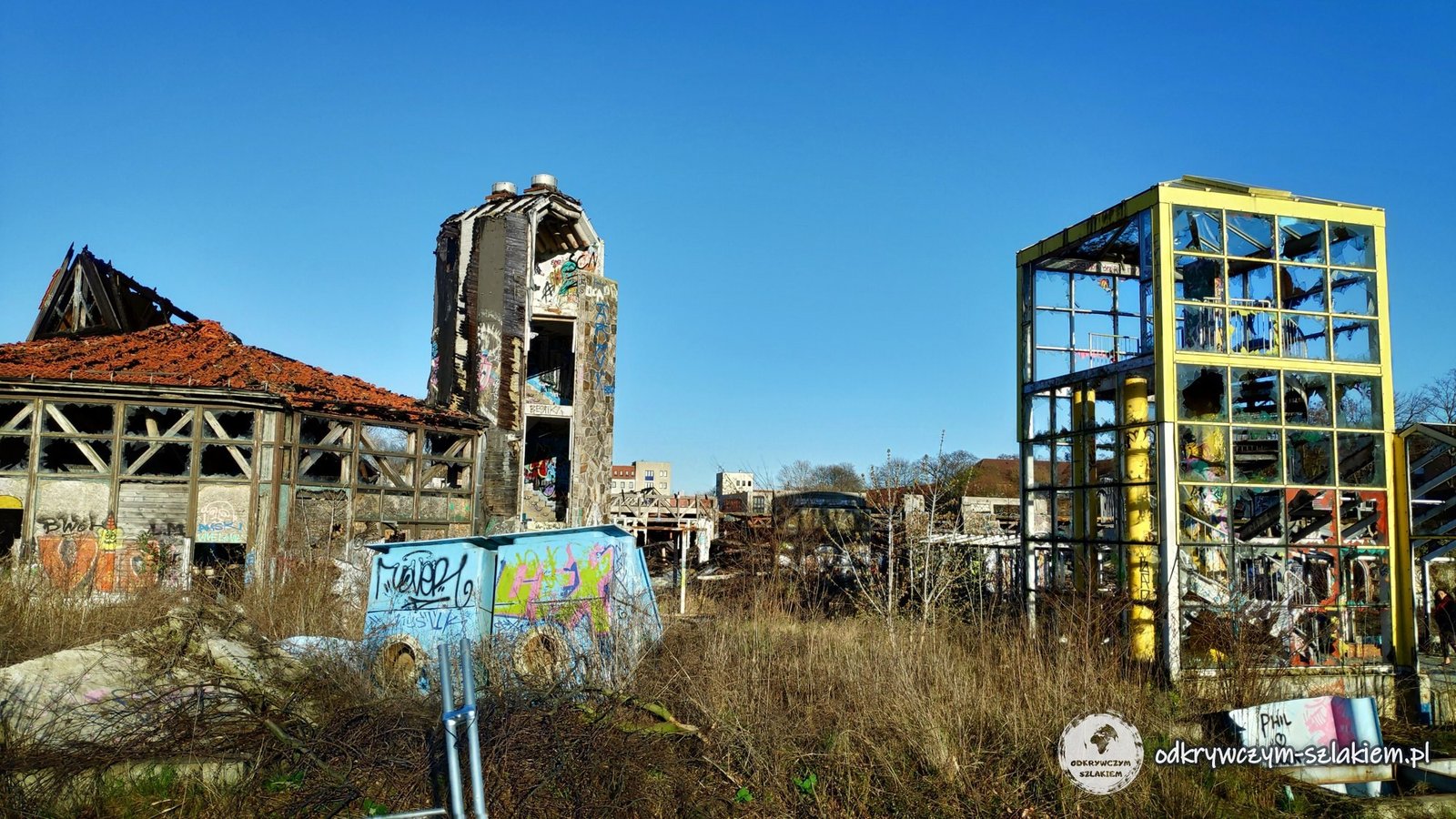
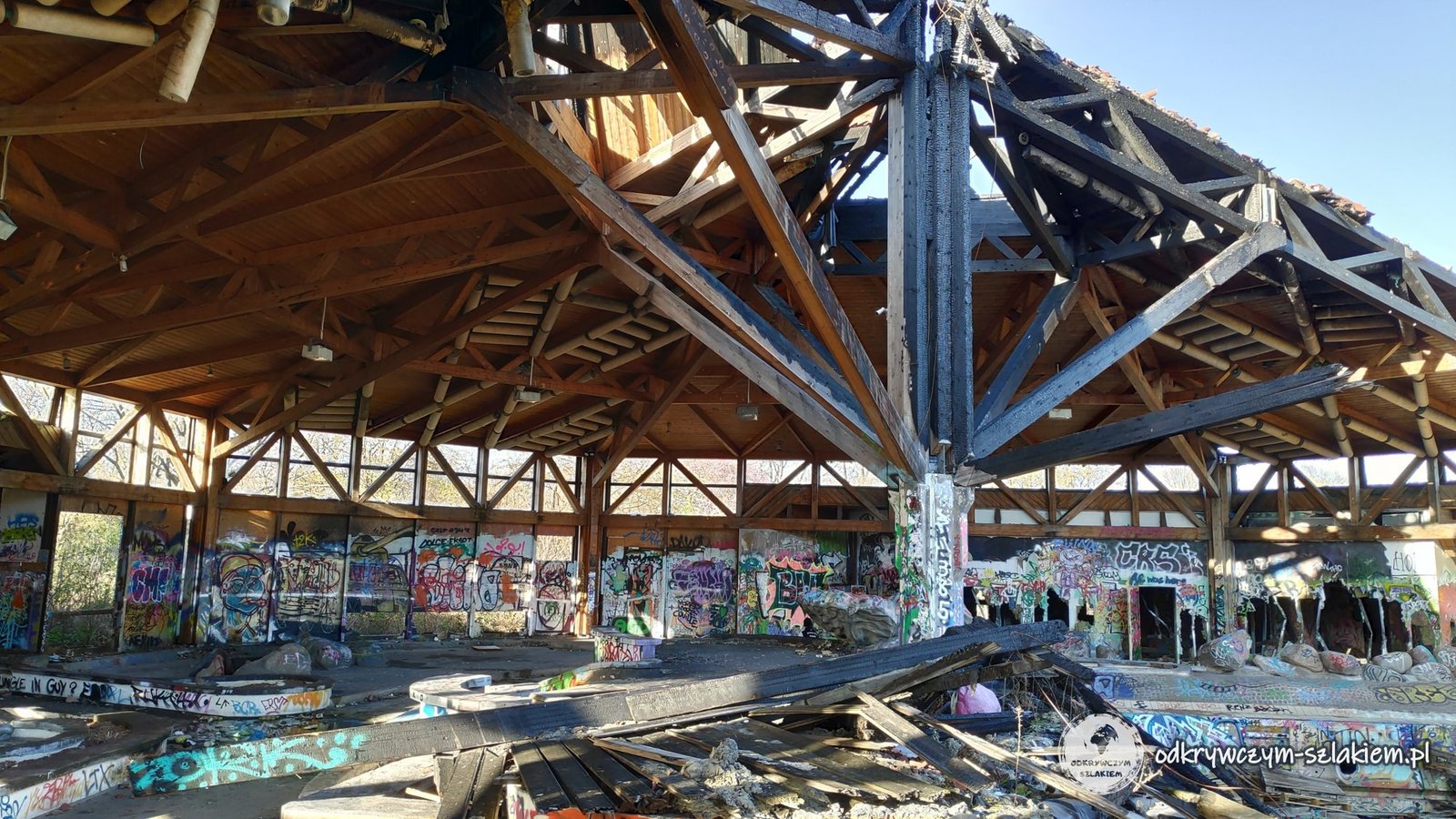
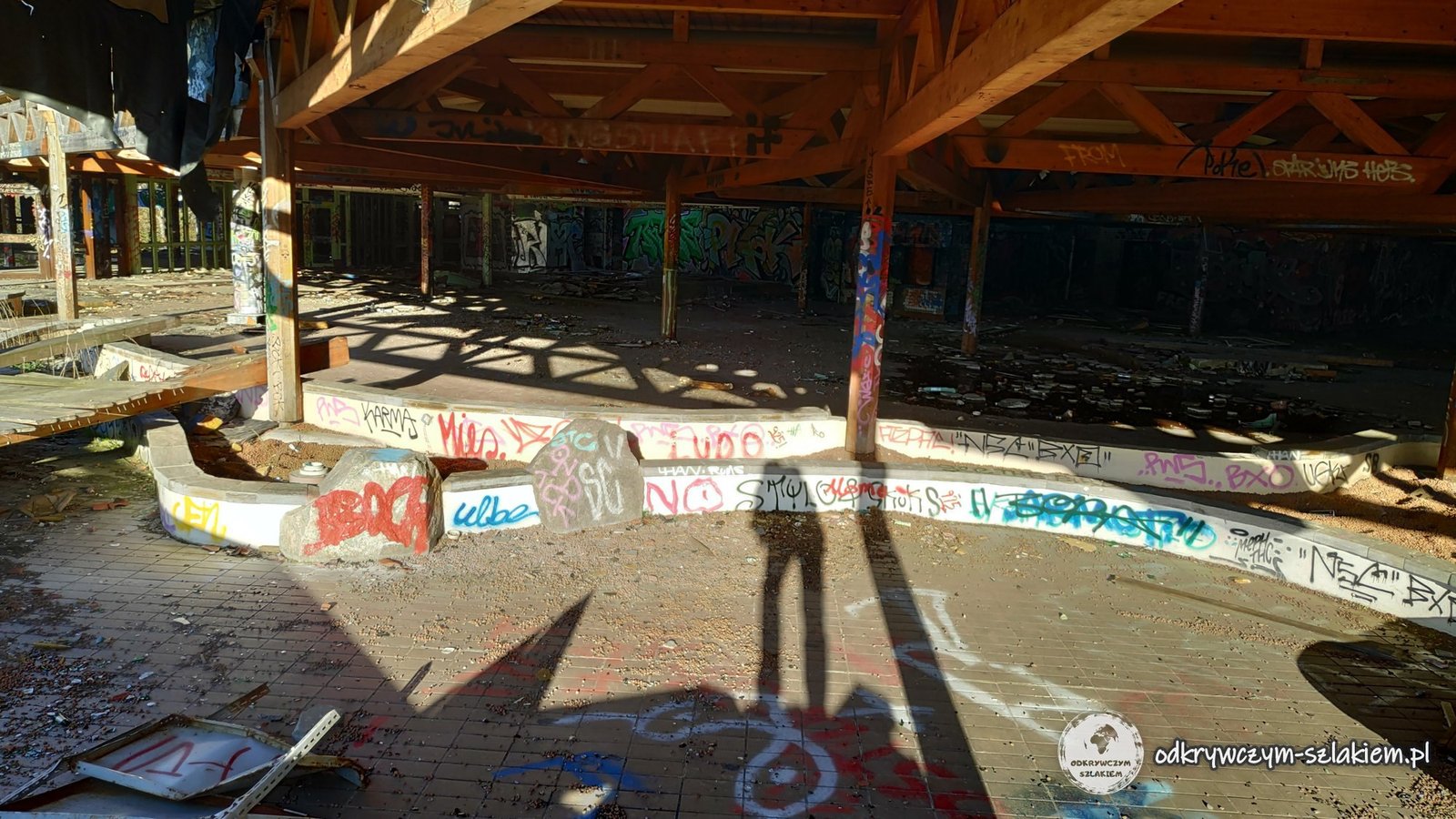
Compared with old photos, the place is unrecognisable – most of the park used to be under a roof, and today it is the other way round. Many rooms are hard to identify at all. At the exit there was one more surprise: an old, abandoned car. In the video I included clips from a 1989 Neukölln TV report to show what BLUB looked like in its heyday.
Today: BLUB is gone – the remains of the park were cleared by early 2021, and the Greenpark estate with 860 flats has been built in its place; the first residents have been moving in since August 2026.
 8:05
Weißensee children’s hospital (September 2019)
On 22 September 2019 we went with Michał and Patrycja, a couple of our friends, to the former infants’ and children’s hospital in the Weißensee district (Ehemaliges Säuglings- und Kinderkrankenhaus Weißensee). It opened in 1911 as an ambitious project meant to tackle the biggest problem of the time – high infant mortality. In East Germany it continued to work as a children’s hospital, and in the mid-1980s another ward was added. After reunification it was no longer needed and was closed in 1997.
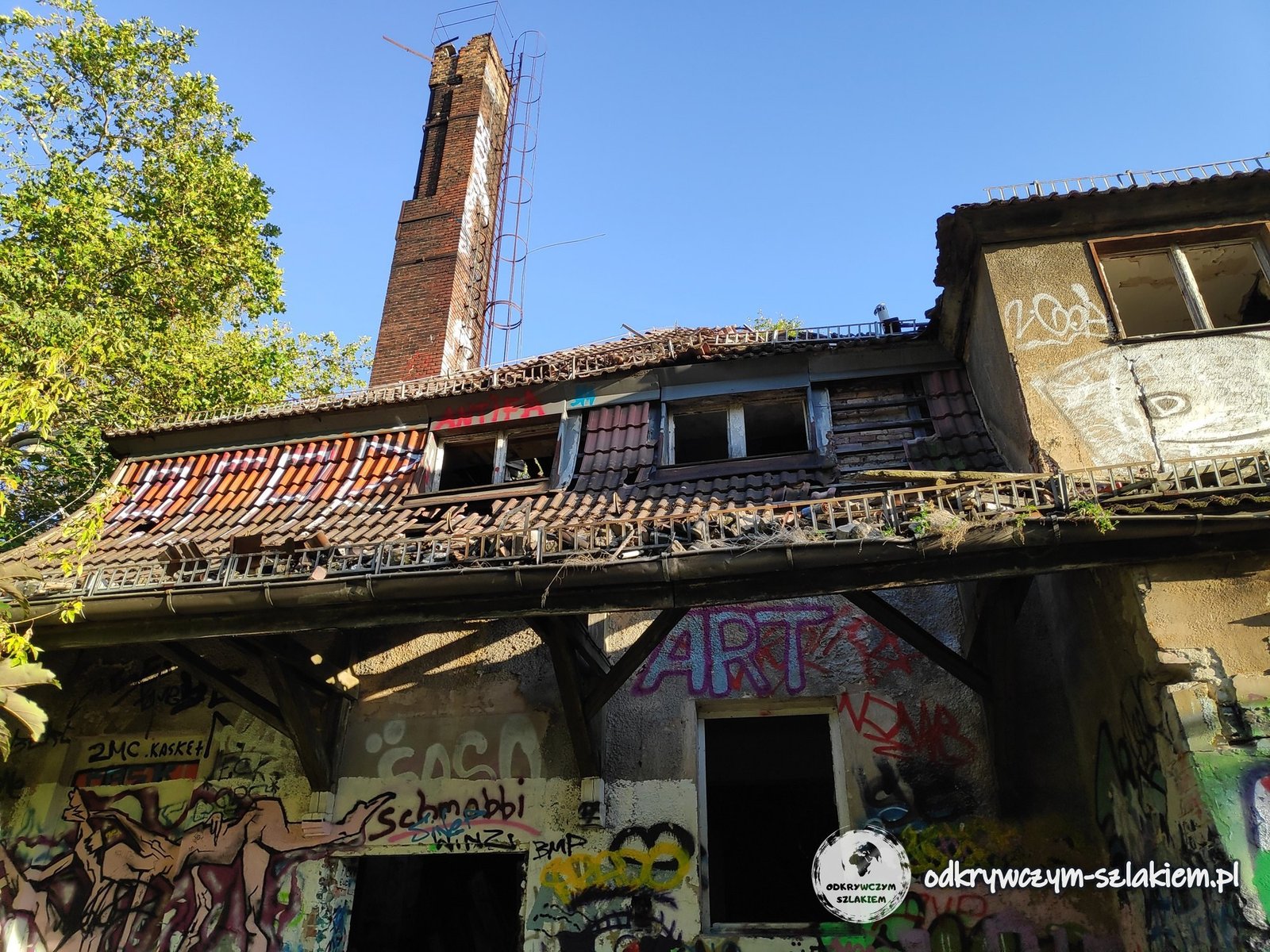
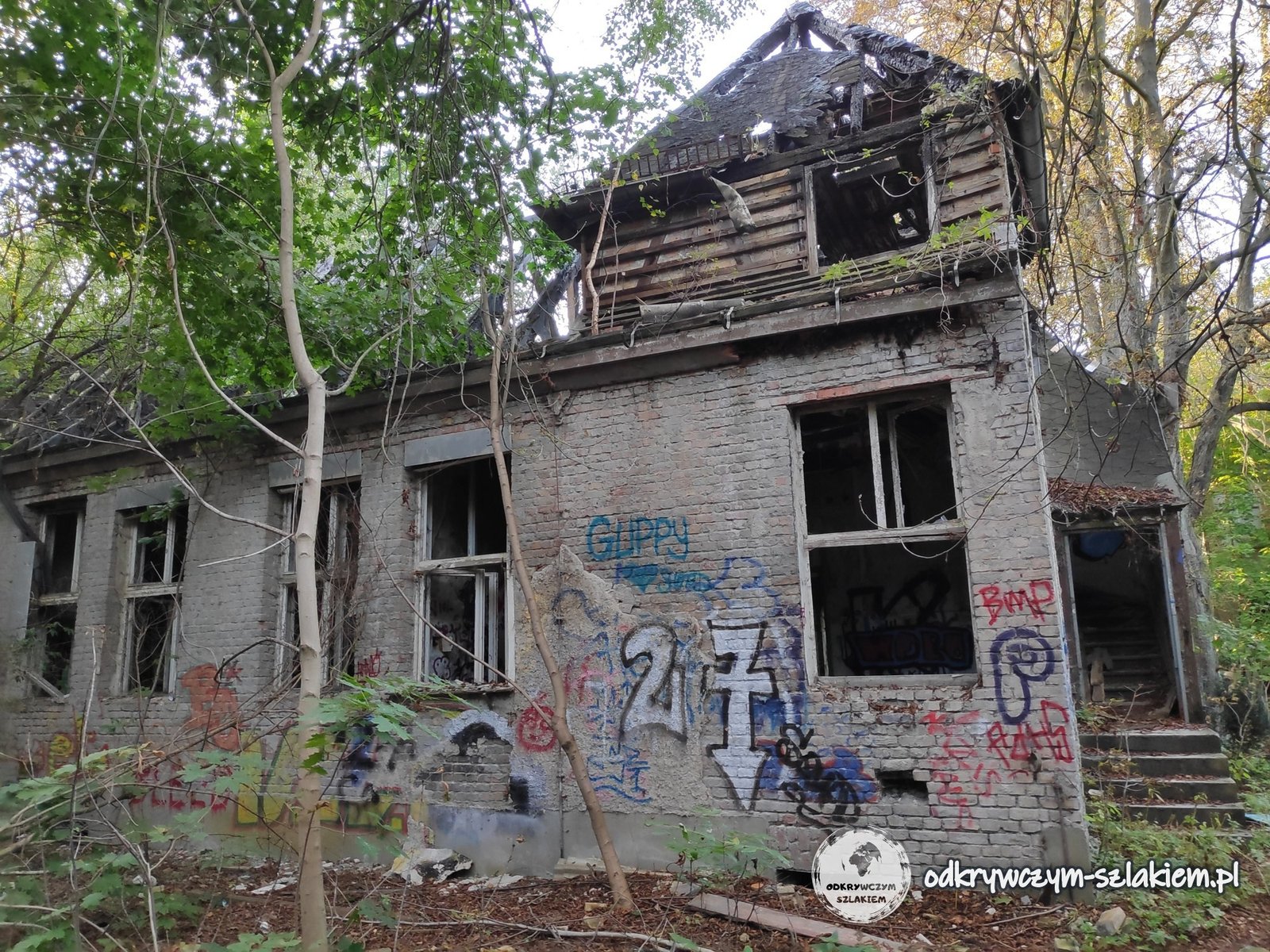
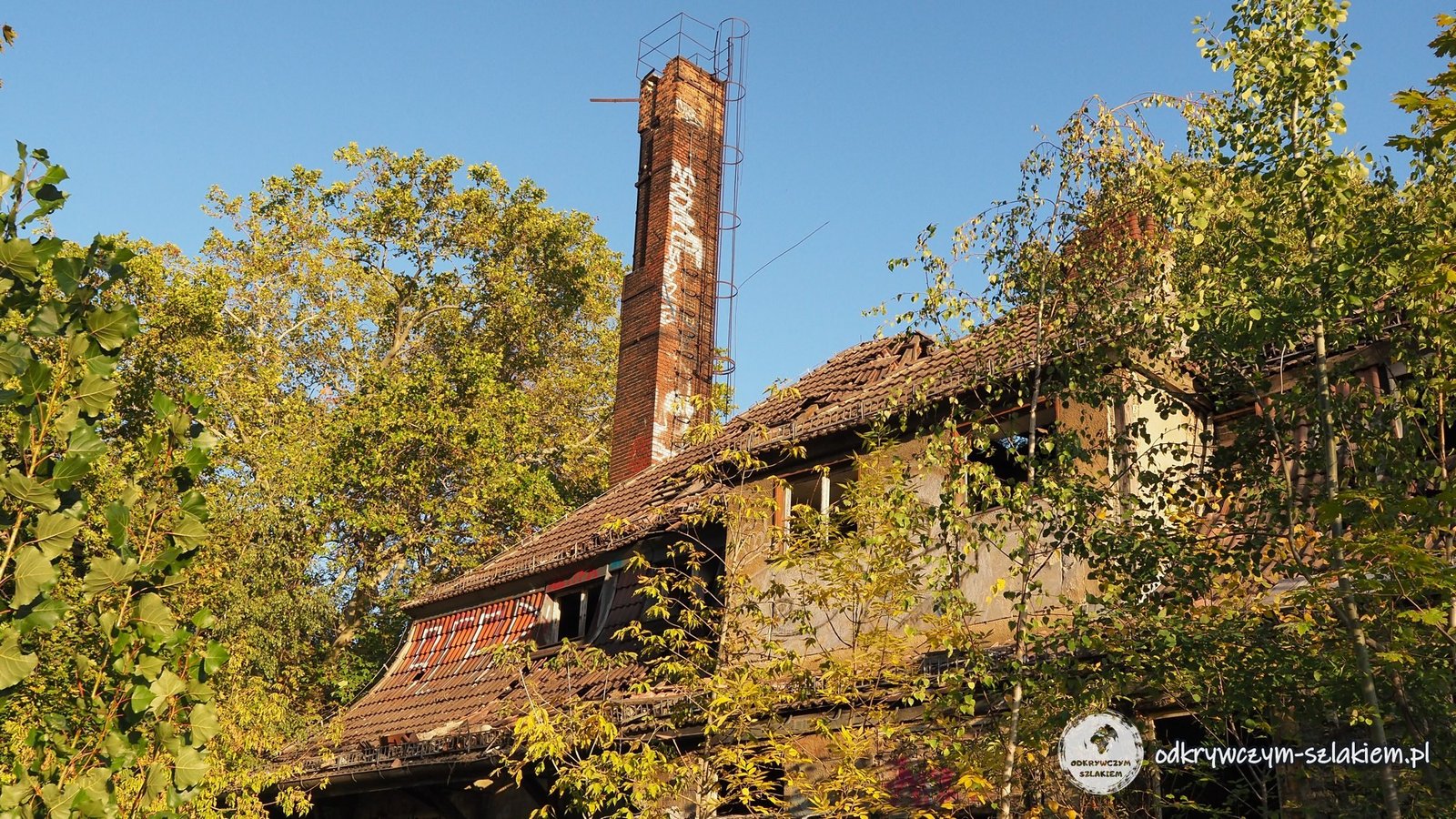
The buildings are listed monuments. In 2005 the site was bought by a Russian investor who wanted to set up a cancer research and treatment centre here – nothing came of the plans, and after a court case, in 2015, the property went back to Berlin. The buildings decayed, burned and fell victim to vandals. I filmed the video without an external microphone (the adapter failed), so the sound is weaker – it is best watched with subtitles.
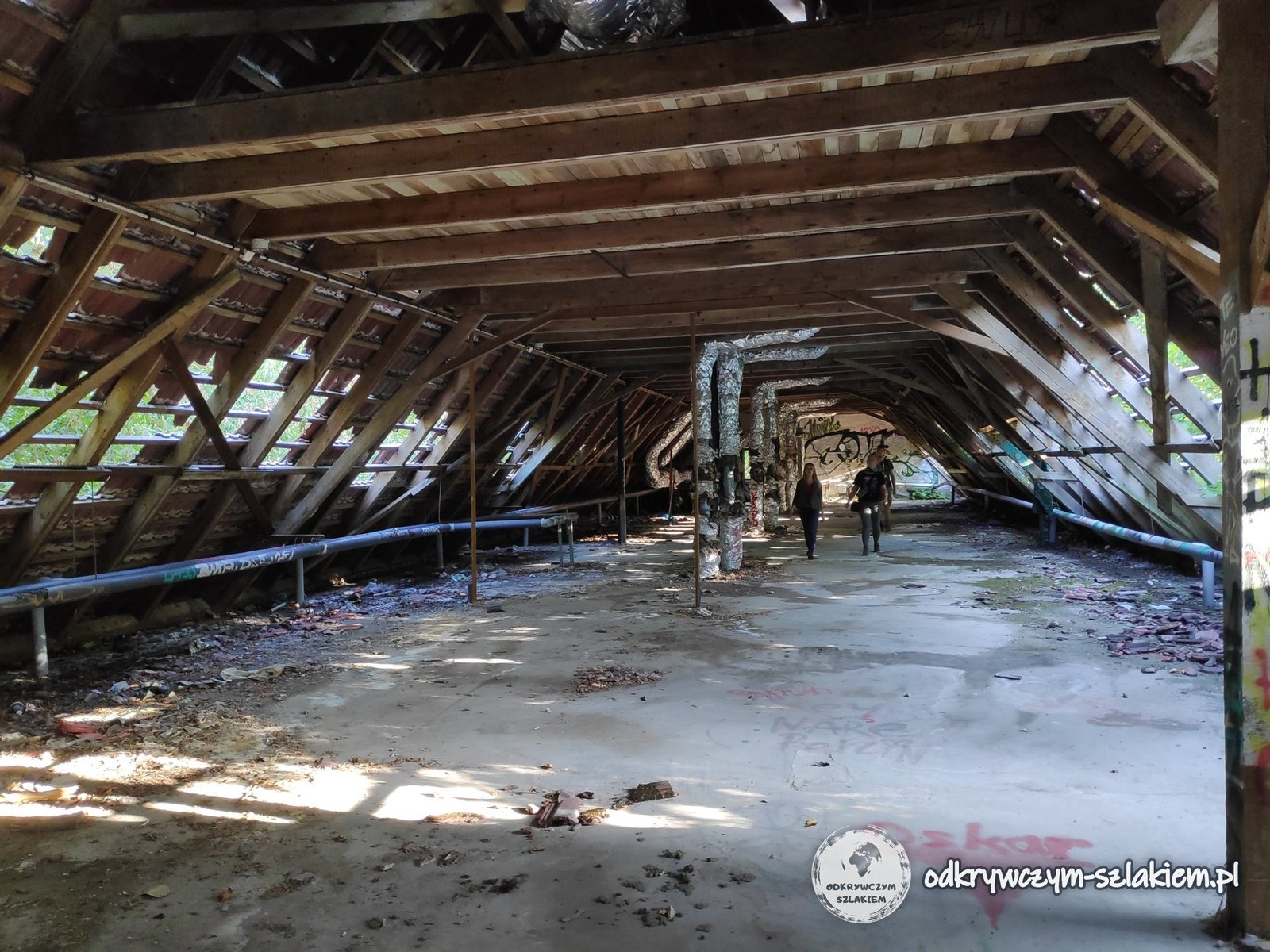
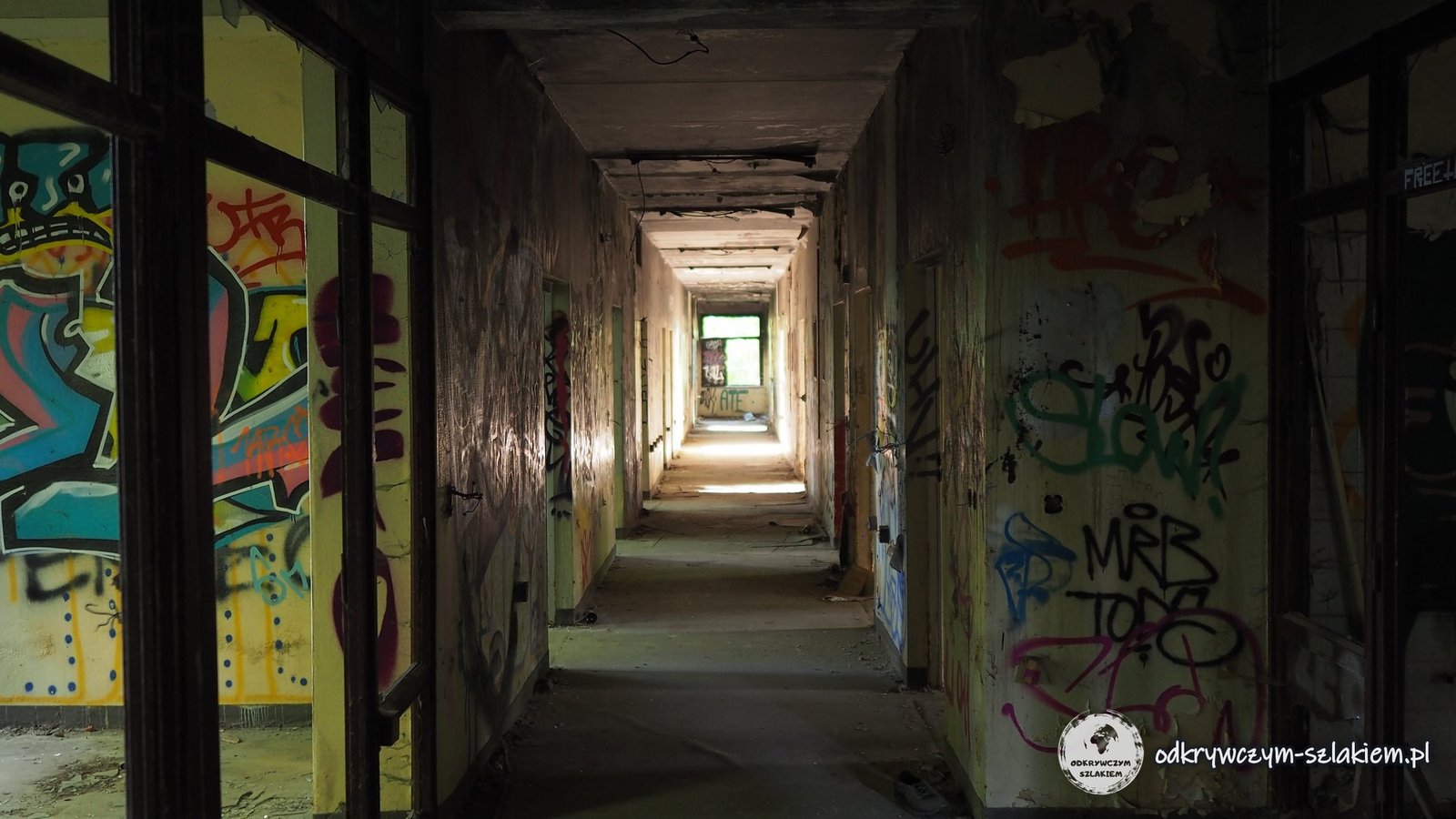
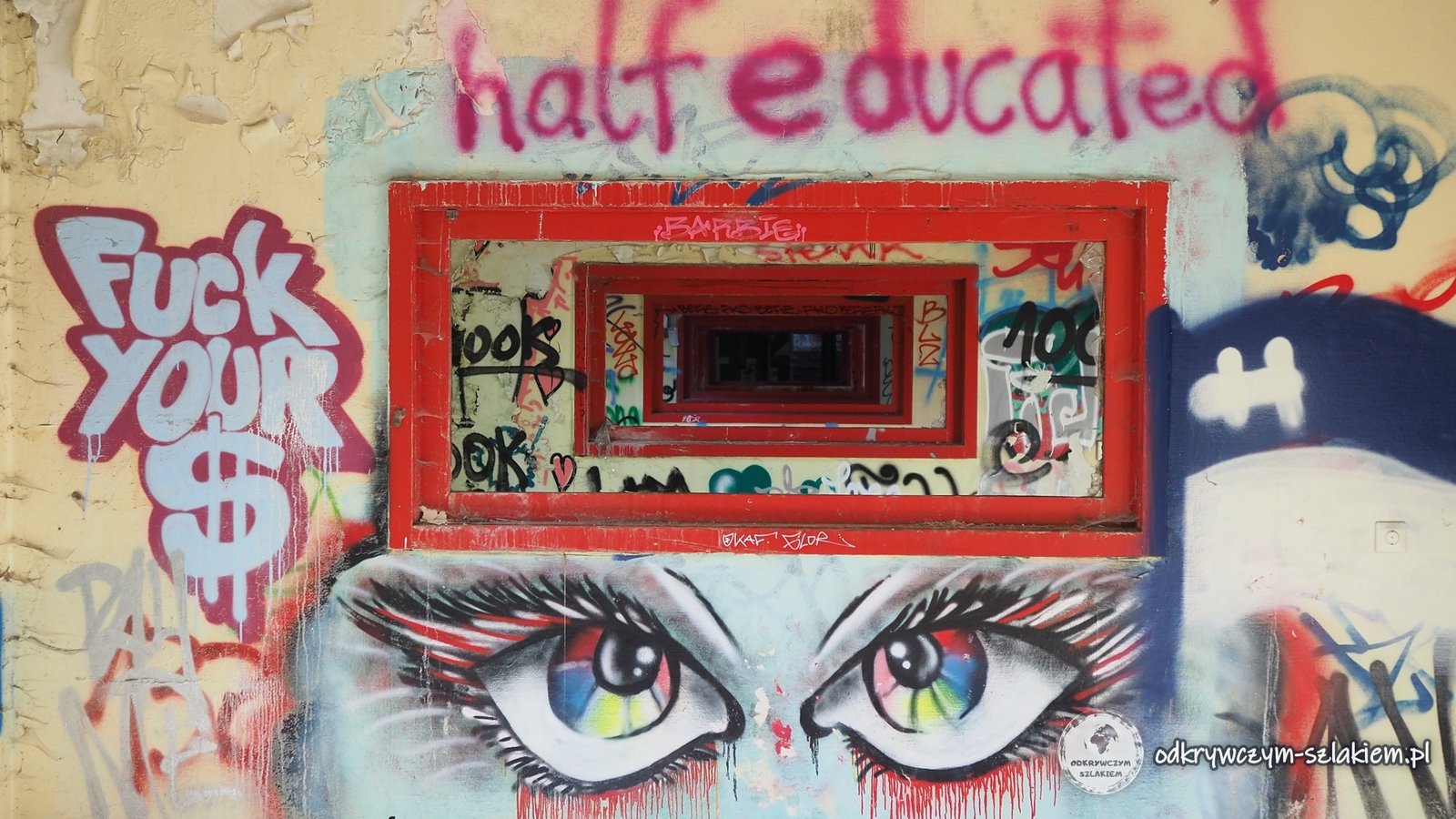
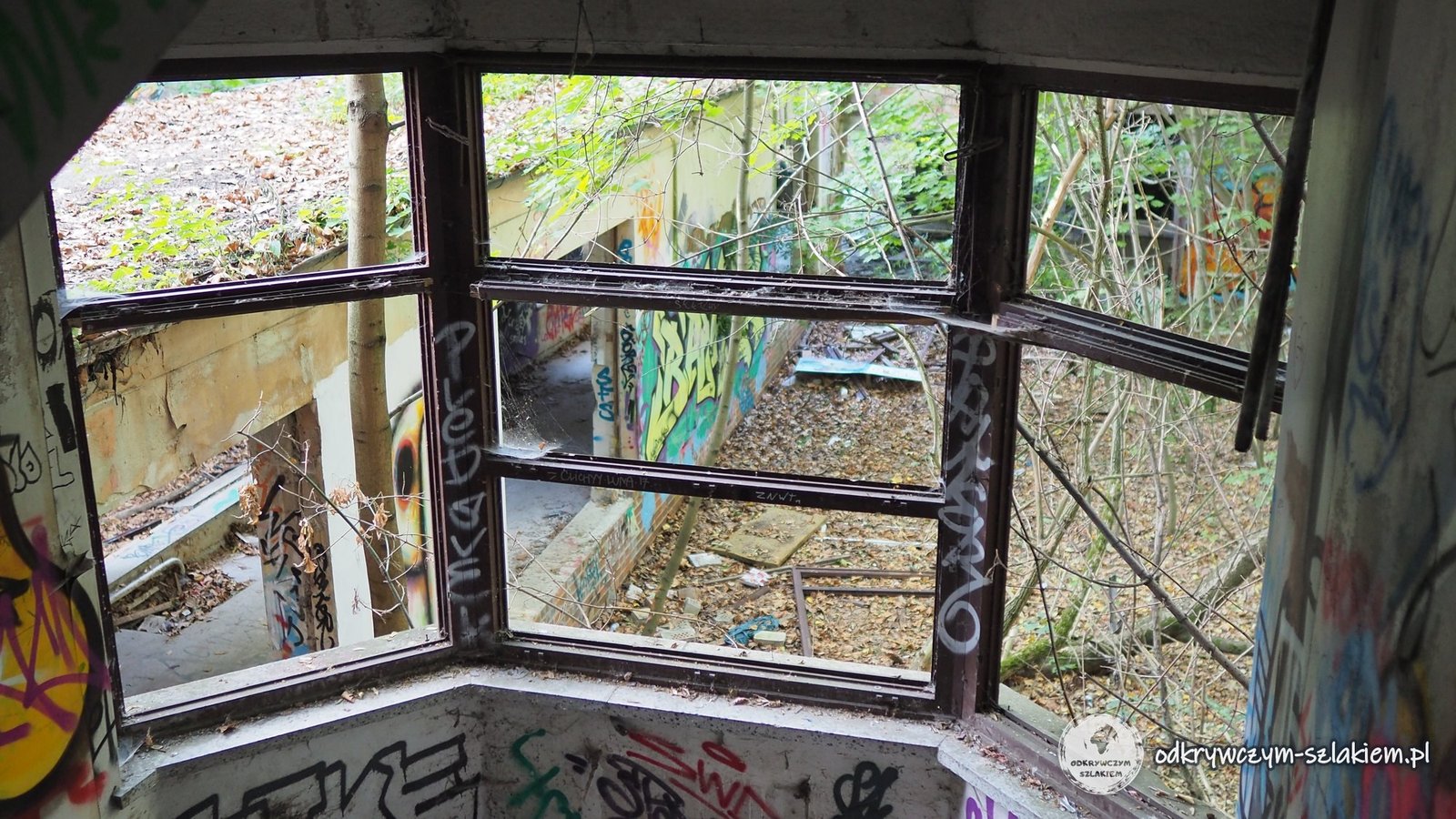
Today: the hospital still stands empty. The site is guarded, and the roofs have been provisionally secured against further damage. A school campus planned since 2019 was cancelled by the Pankow district in 2024 because of costs, and the district is now looking for another idea, including with private investors.
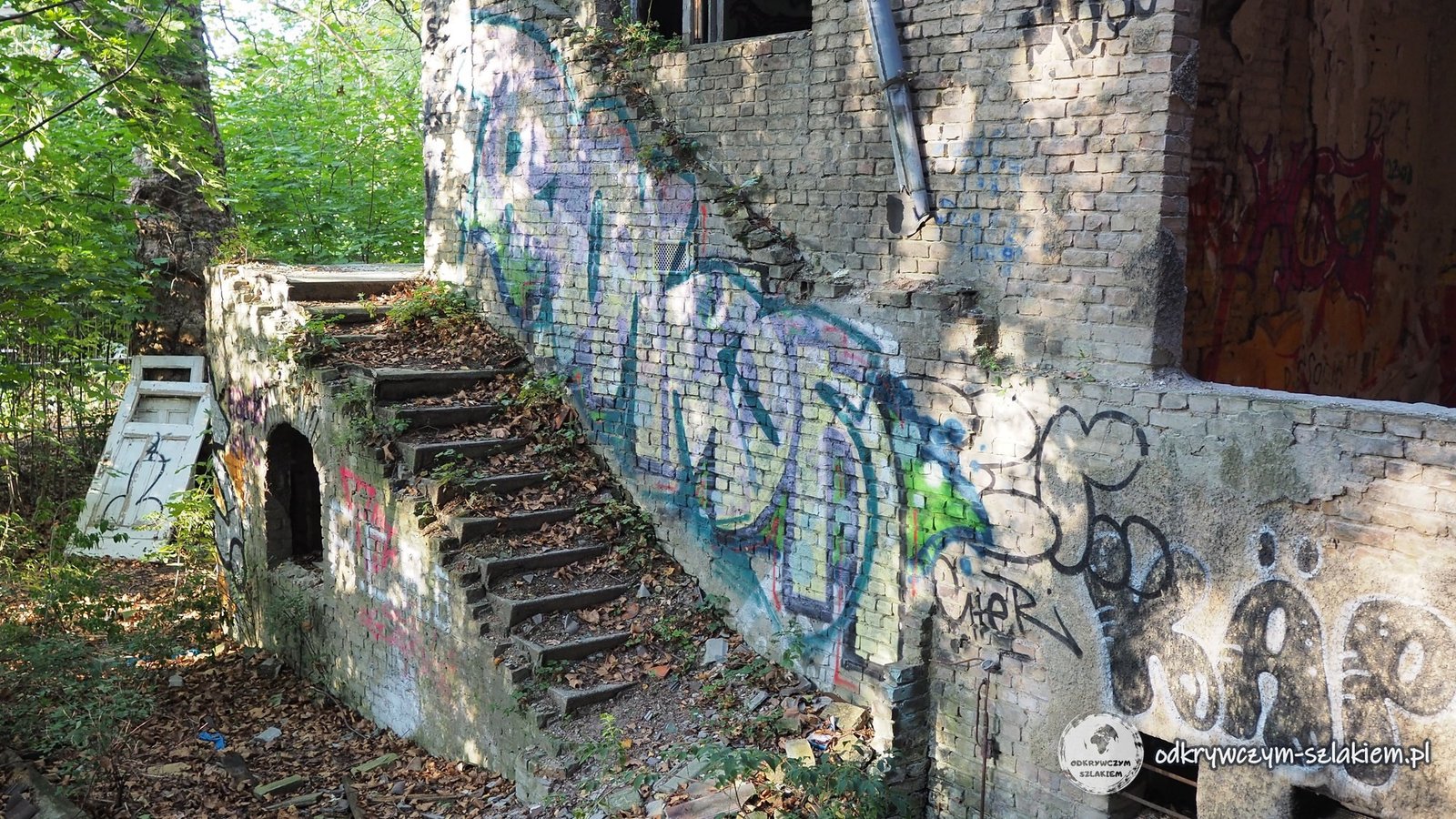
 8:28
Urbex – a few rules
Urban exploration (urbex for short) means discovering places that are normally hidden from view or inaccessible – most often abandoned buildings. A few rules worth remembering:
- Urbex is not vandalism. You don’t damage, paint or take anything – the place stays as it was.
- No exact locations or tips on how to get in. It is good practice among explorers – it protects the places that are still standing from scrap thieves and vandals.
- Private property is private property. Many abandoned sites have an owner – it is always worth checking whether entry is allowed. If there are ticketed or guided tours – as at Teufelsberg or Spreepark – it is worth taking them.
- Safety first. Collapsed floors and ceilings, glass, protruding rebar and flooded basements are everyday features of such places. Never go alone; bring a good torch, sturdy shoes and a charged phone.
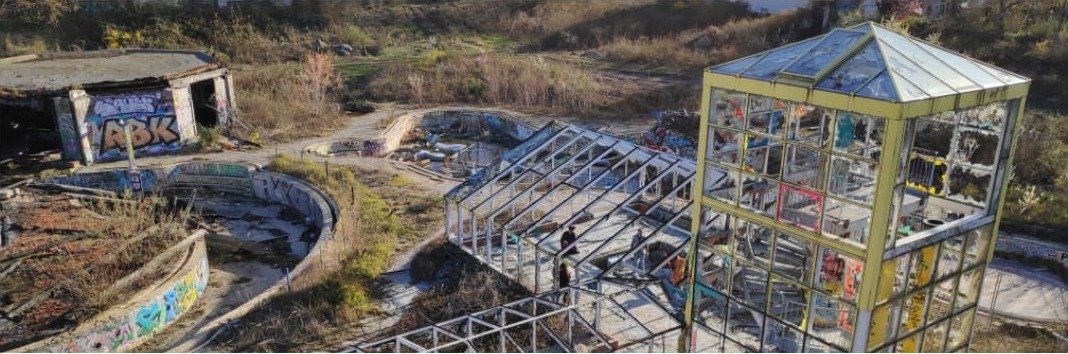
This is what everyday life in abandoned places looks like – after the fires, the BLUB water park was left with empty pools and bent skeletons of structures. I first shot my videos with a Xiaomi Yi Action camera, later with a GoPro Hero 6 Black, and dark interiors were lit by an Olight S2 Baton torch. More abandoned places – the underground of Szczecin and the ruins of a synthetic fuel factory in Police – can be found in the post Szczecin and Police: urbex, and across the ocean – the ghost town of Bodie in California.