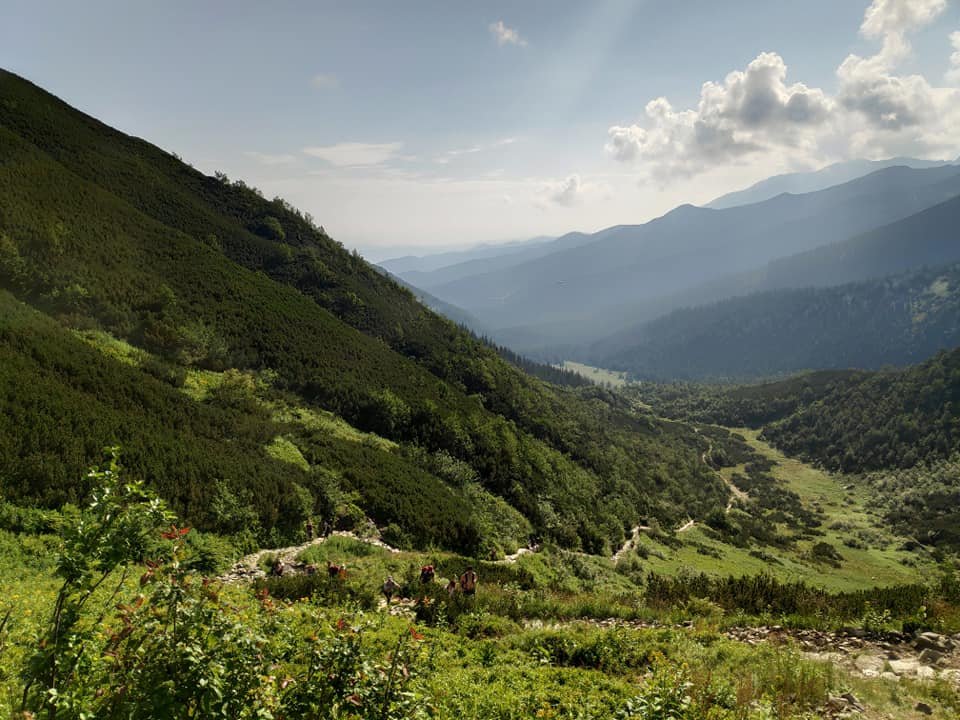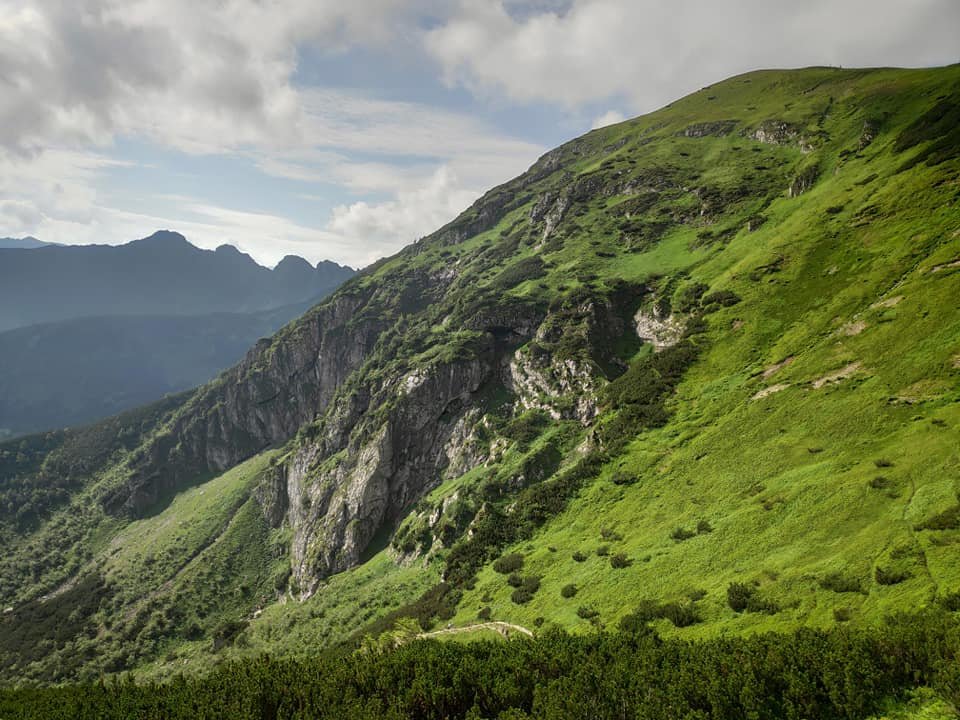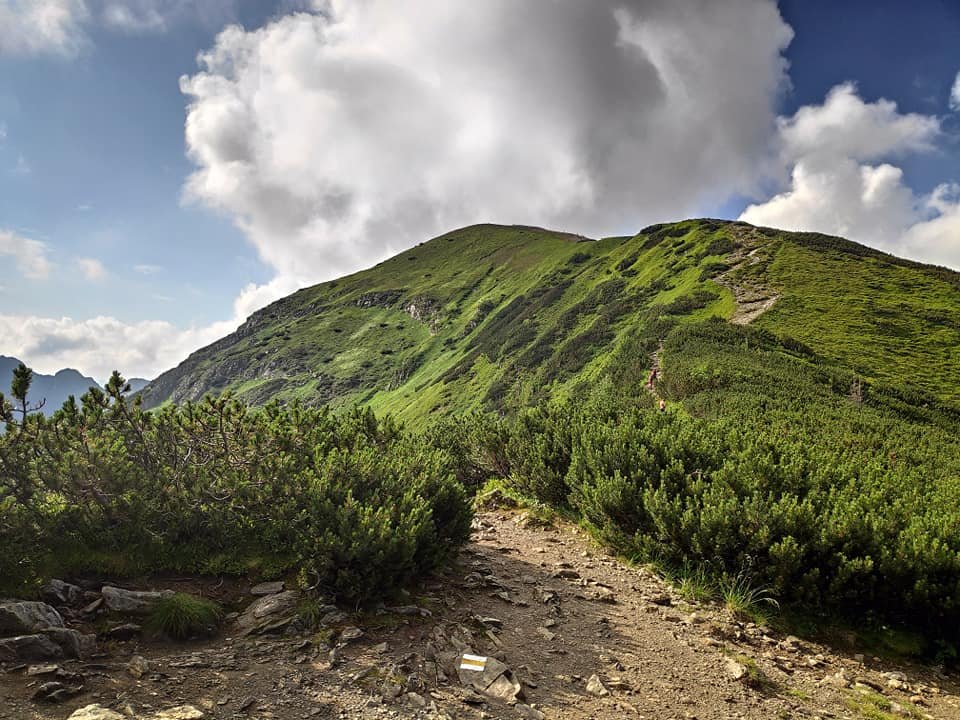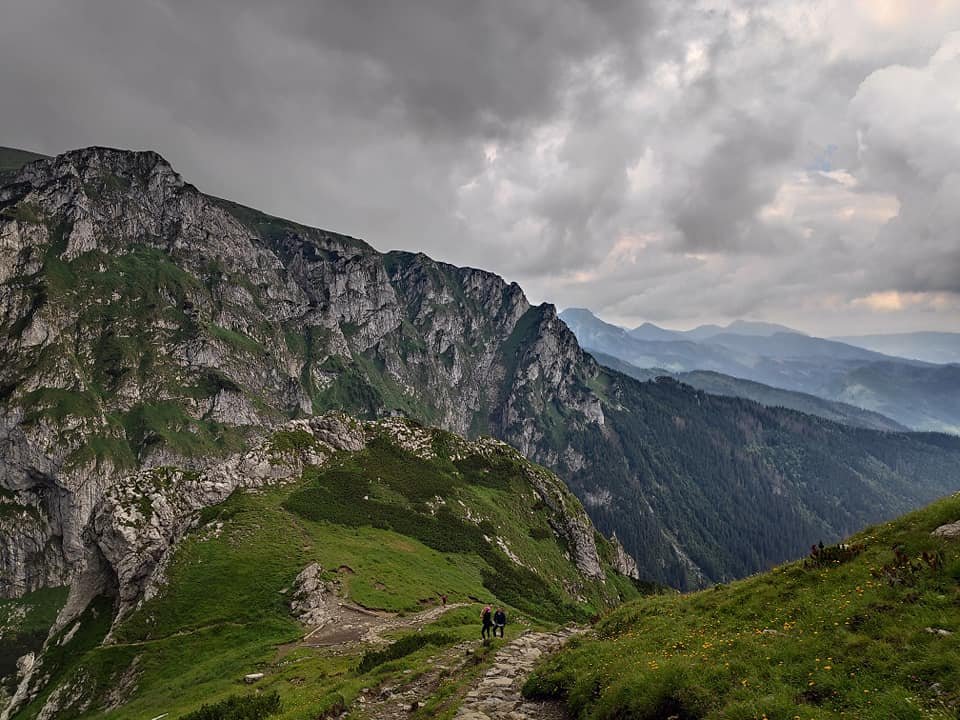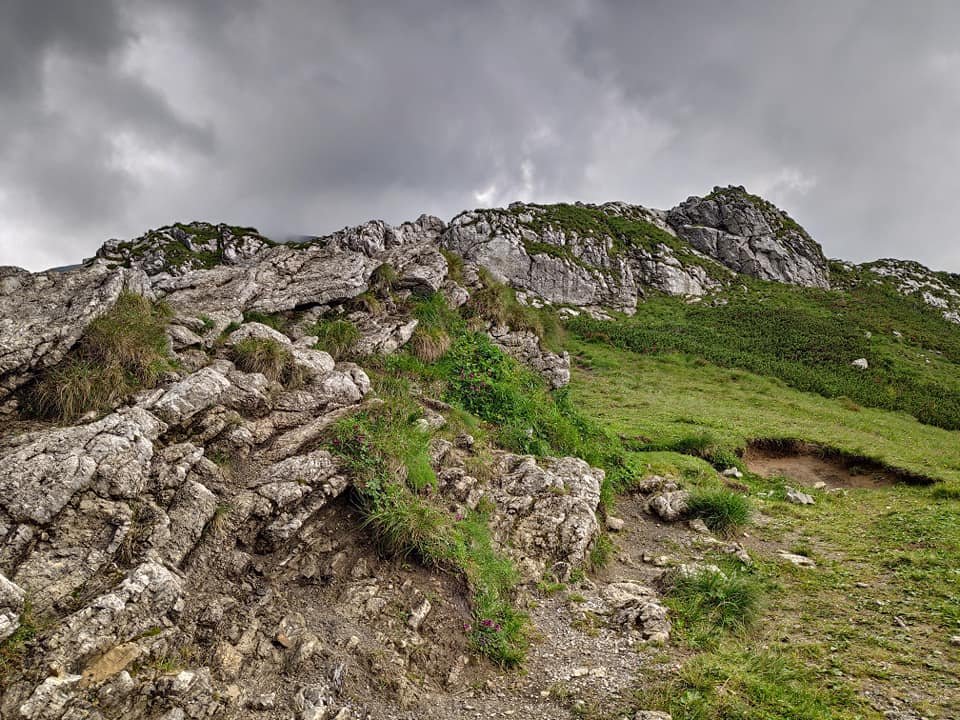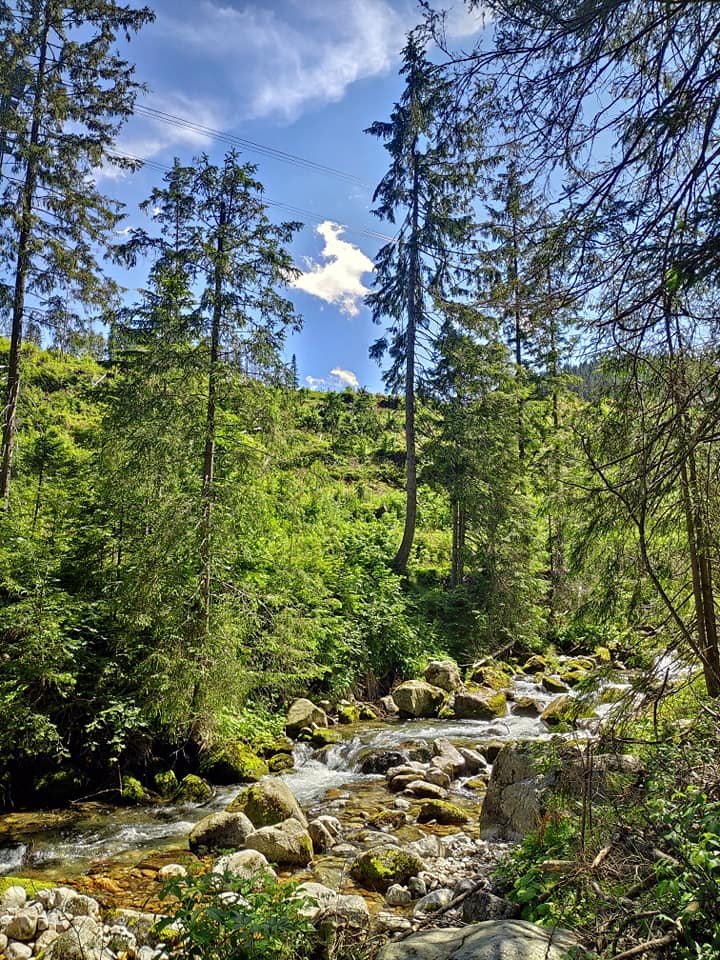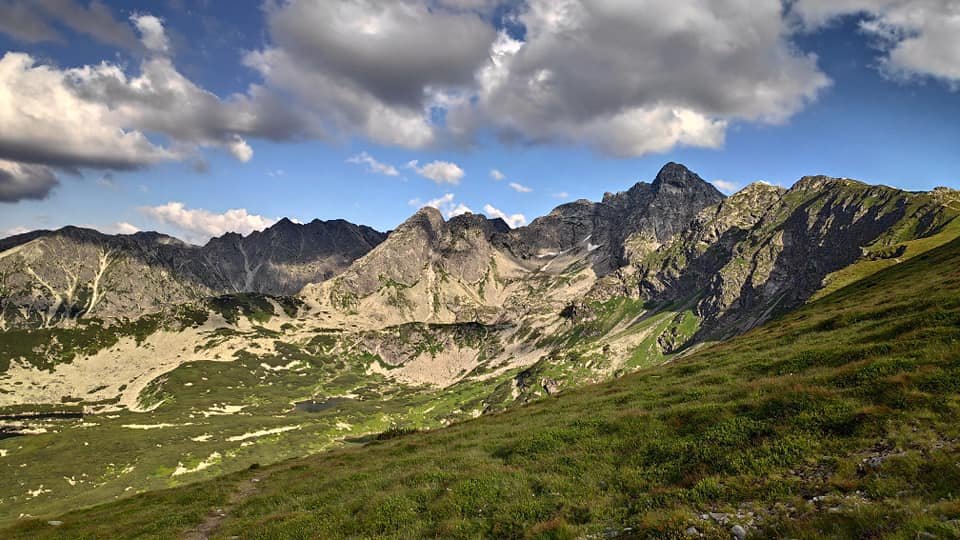
At the end of July 2020 we spent a week in Zakopane (25 July – 1 August), straight after a few days in Kashubia. We started gently with Nosal, then came Giewont, the most important day – climbing Rysy – and finally Kasprowy Wierch on foot and Wielki Kopieniec. Below is a day-by-day account, with hiking times and practical tips.
Table of contents
- Day 1: Nosal as a warm-up
- Day 2: Giewont from Kuźnice and down through the Strążyska Valley
- Day 4: Rysy
- Day 6: Kasprowy Wierch on foot and Hala Gąsienicowa
- Day 7: Pęksowy Brzyzek and Wielki Kopieniec
- Practical information
Day 1: Nosal as a warm-up
On 25 July, for our first, easy outing, we chose Nosal (1206 m above sea level) – a modest peak right above Kuźnice, with views of Zakopane and the first peaks of the Tatra Mountains. Even so, there were quite a lot of people on the trail. After we came down we got caught in the rain, but luckily there was no thunderstorm.
Day 2: Giewont from Kuźnice and down through the Strążyska Valley
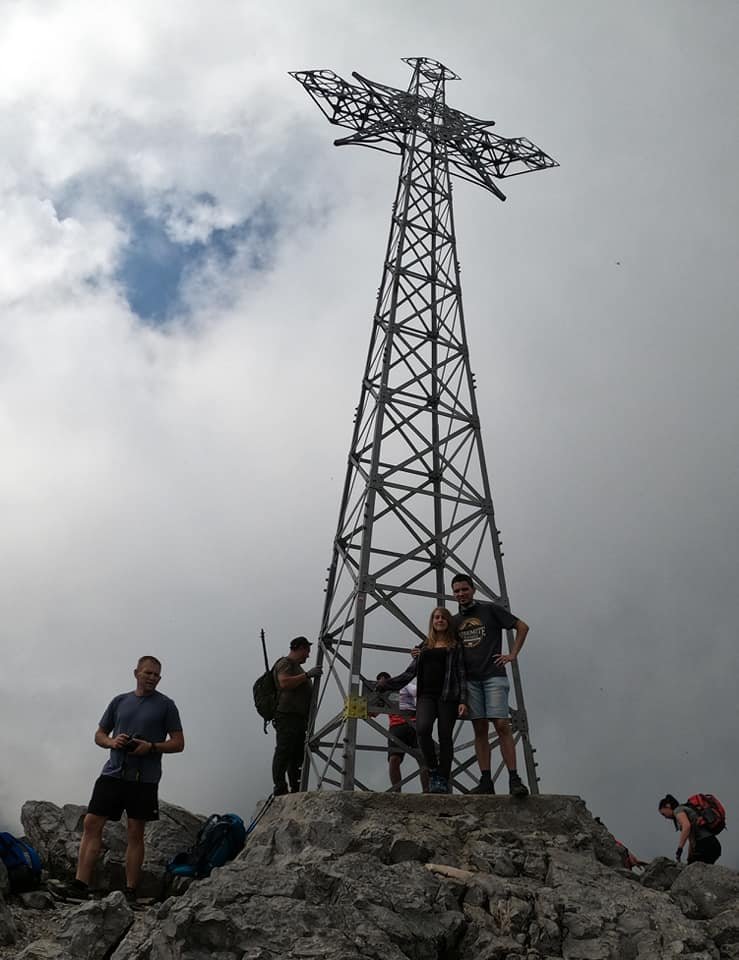
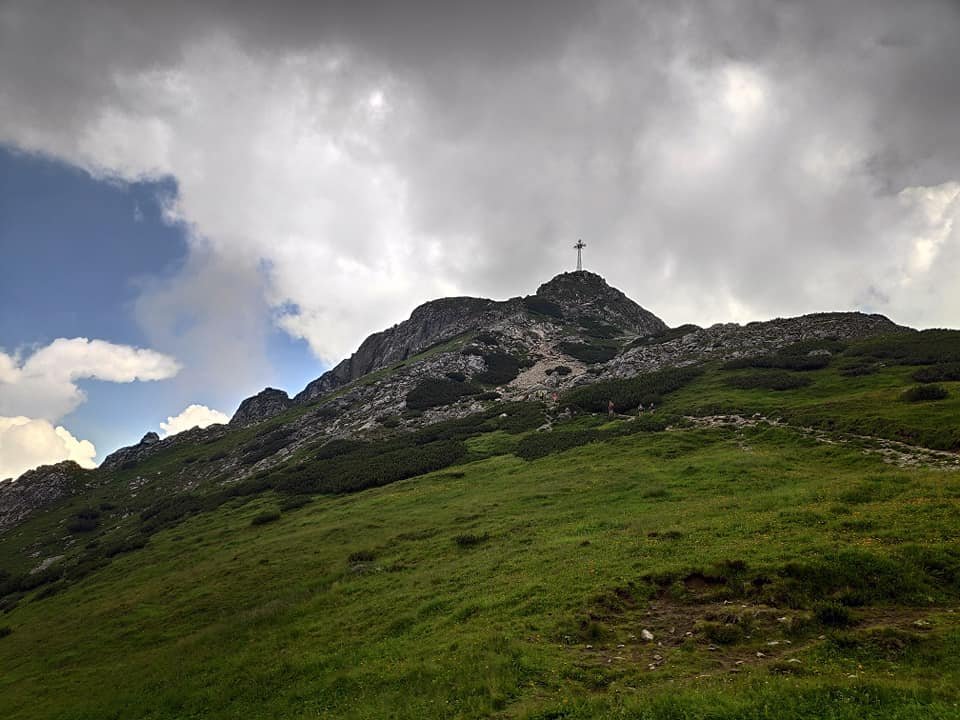
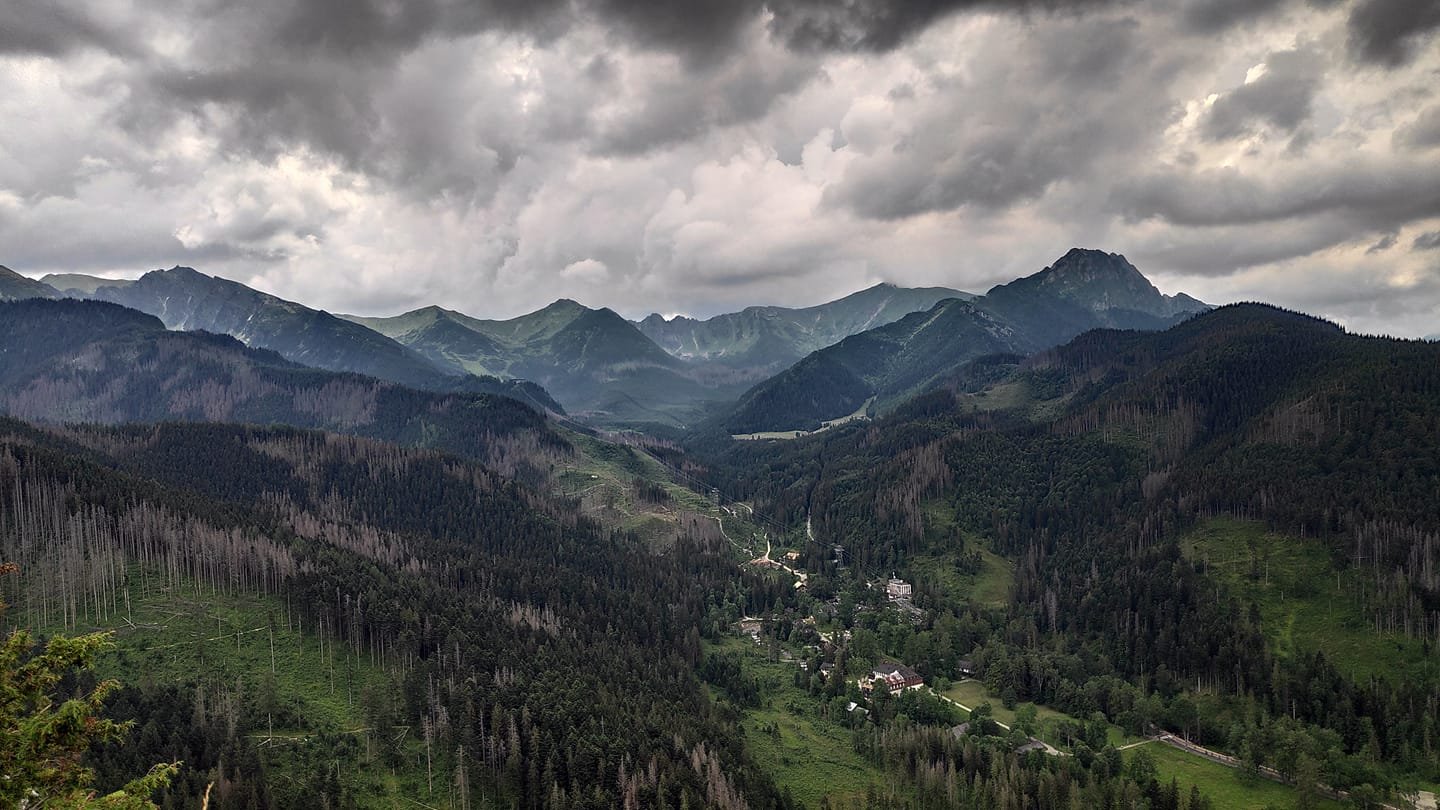
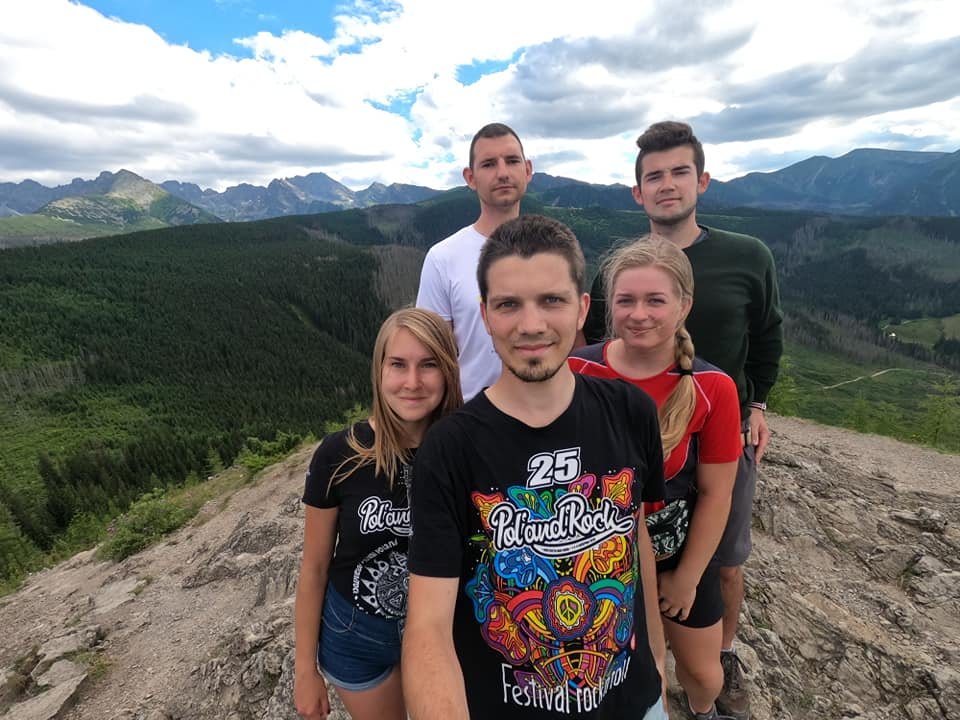
On 26 July the five of us set off from Zakopane to Kuźnice at about 5:40, and we were on top of Giewont (1894 m above sea level) at about 9:40. We went up the blue trail via Hala Kondratowa and the Kondracka Pass – 8.2 km one way – and came back down to the Strążyska Valley (9.4 km), so in total we walked about 18 km.
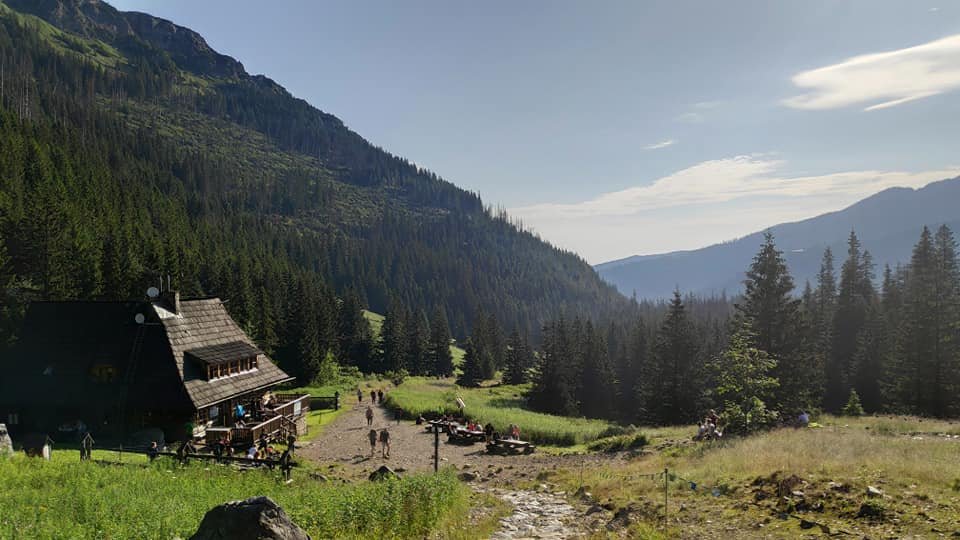
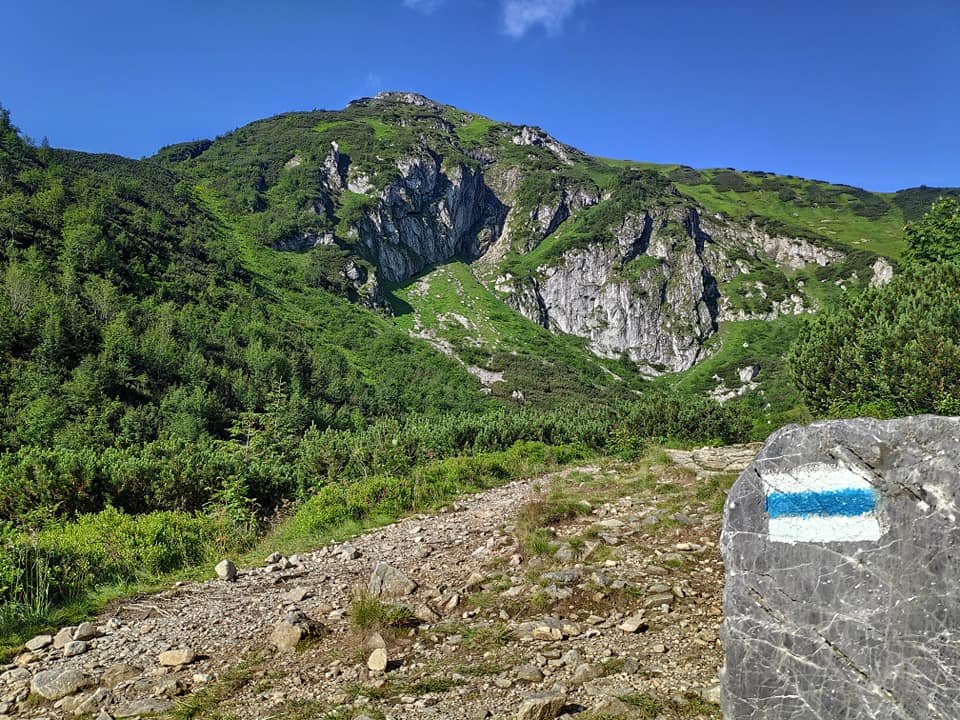
The trail was easier than I had expected. A good part of it runs through forest, so the nice views only appear after a while – but from the Kondracka Pass (1725 m) it gets really beautiful.
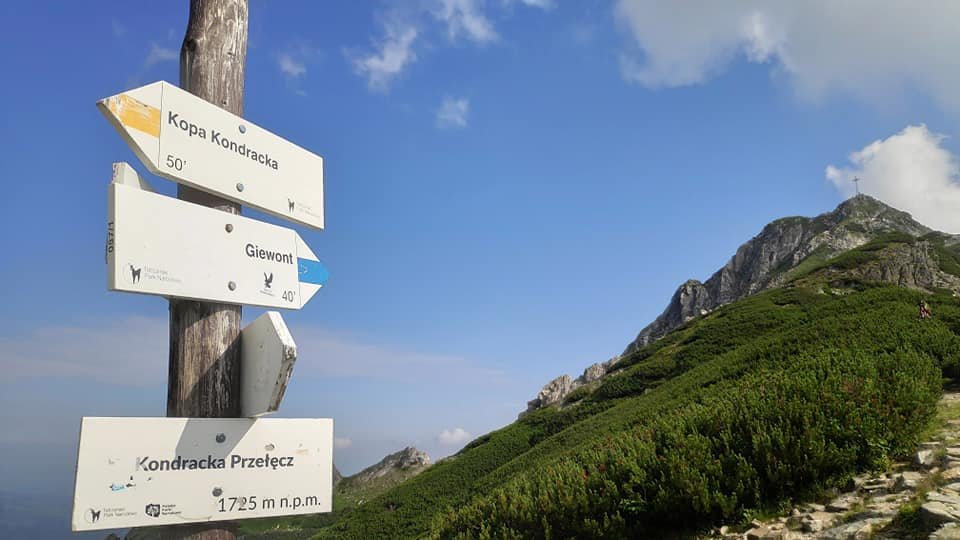
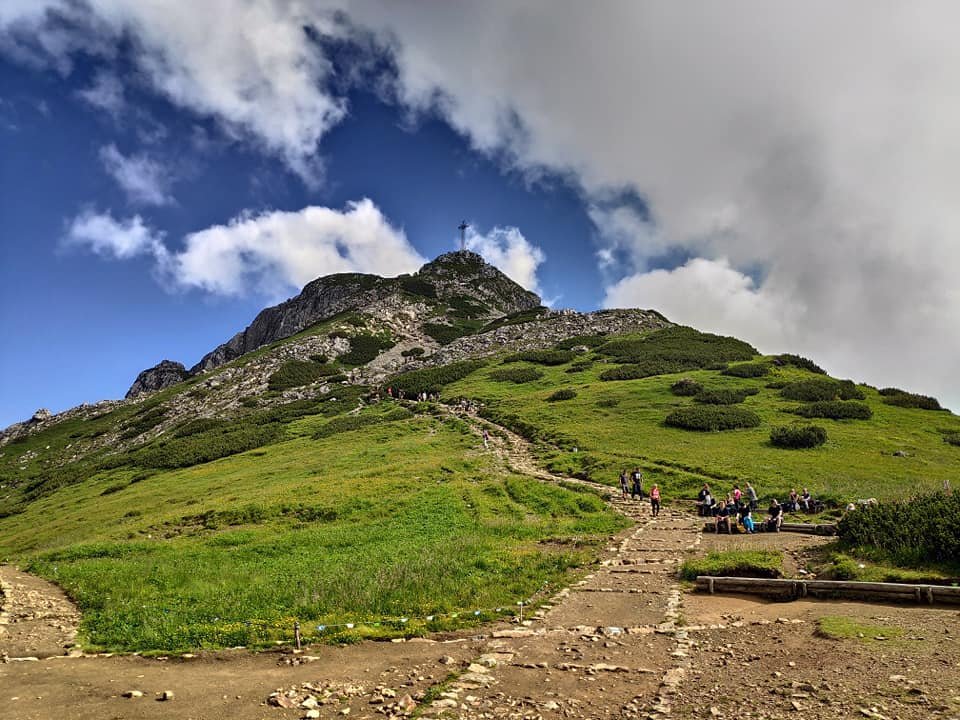
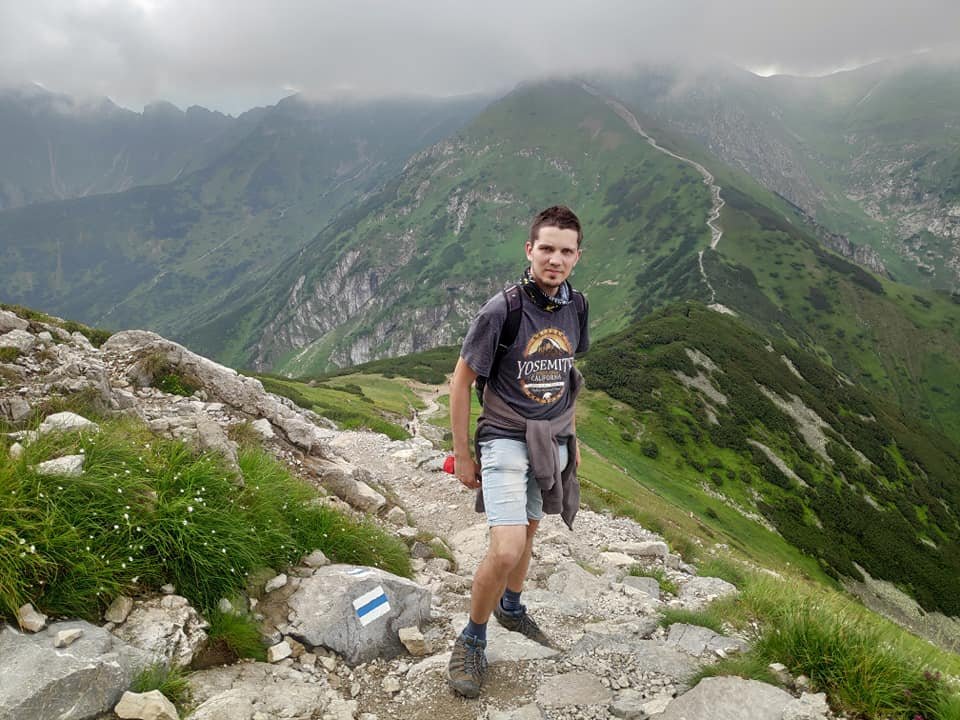
The most exciting part of the route is the chains below the summit. For the first few hours the weather was wonderful, then clouds gradually rolled in, and on the way down it started to rain, which slowed us down a lot. We were surprised by the organised groups climbing Giewont in the rain with umbrellas.
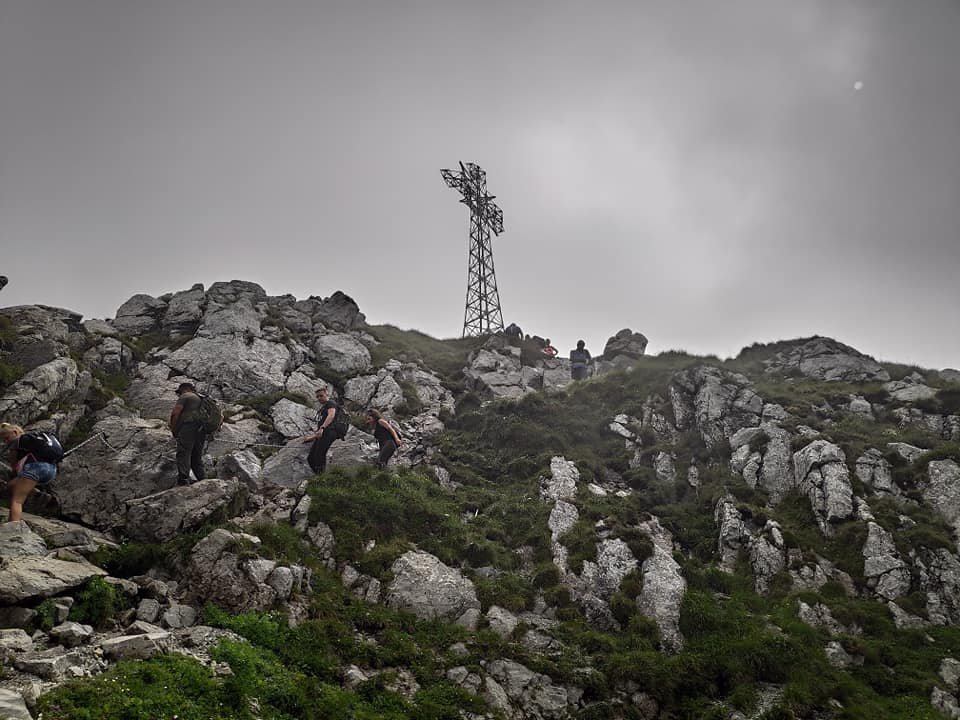
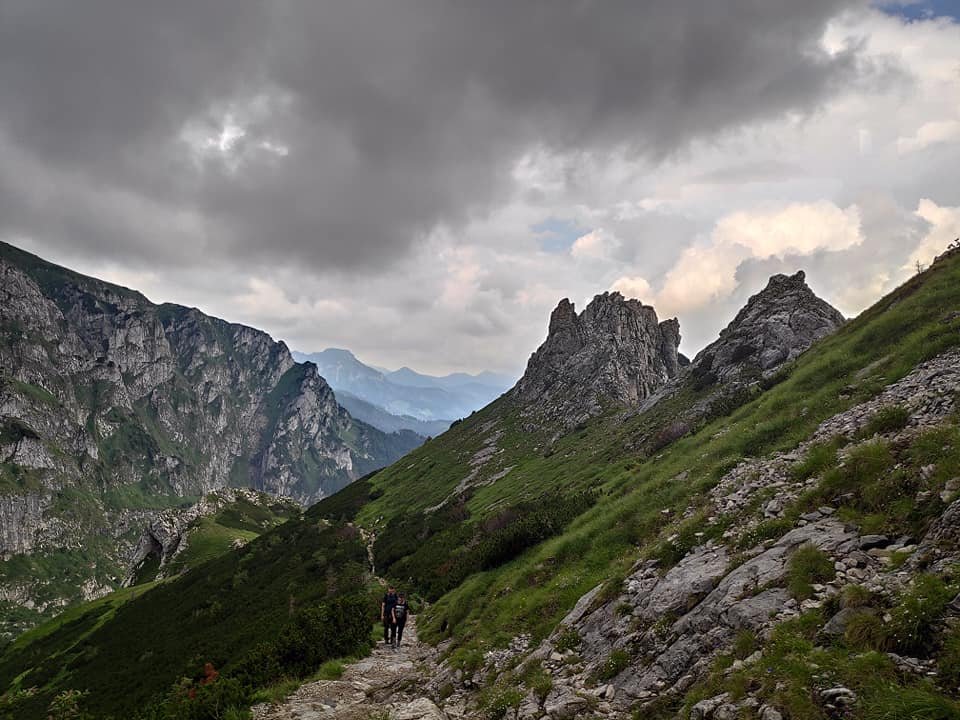
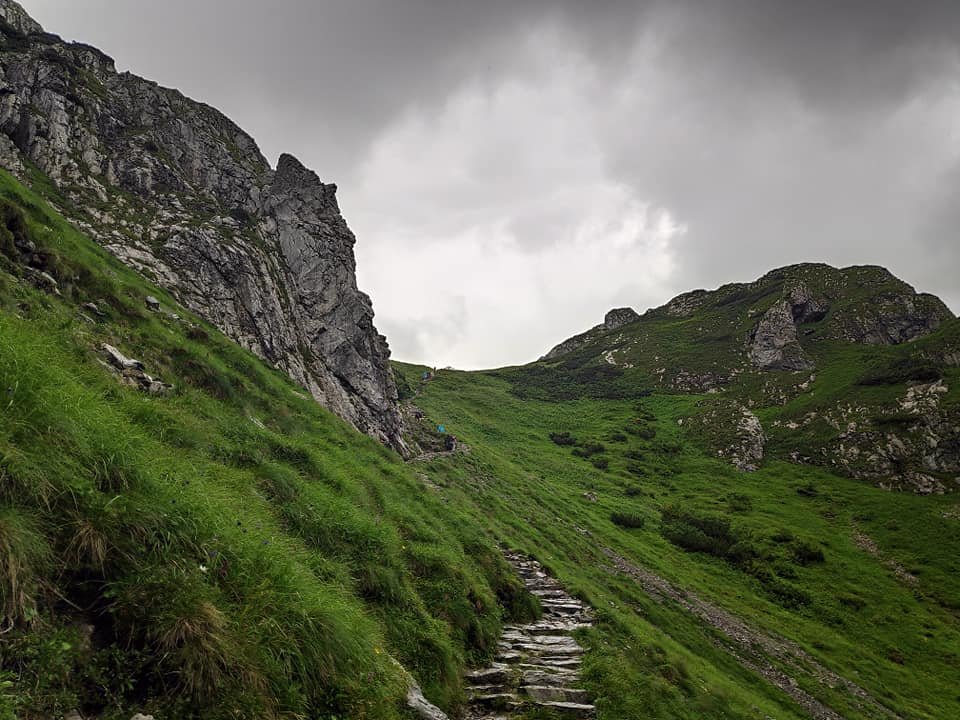
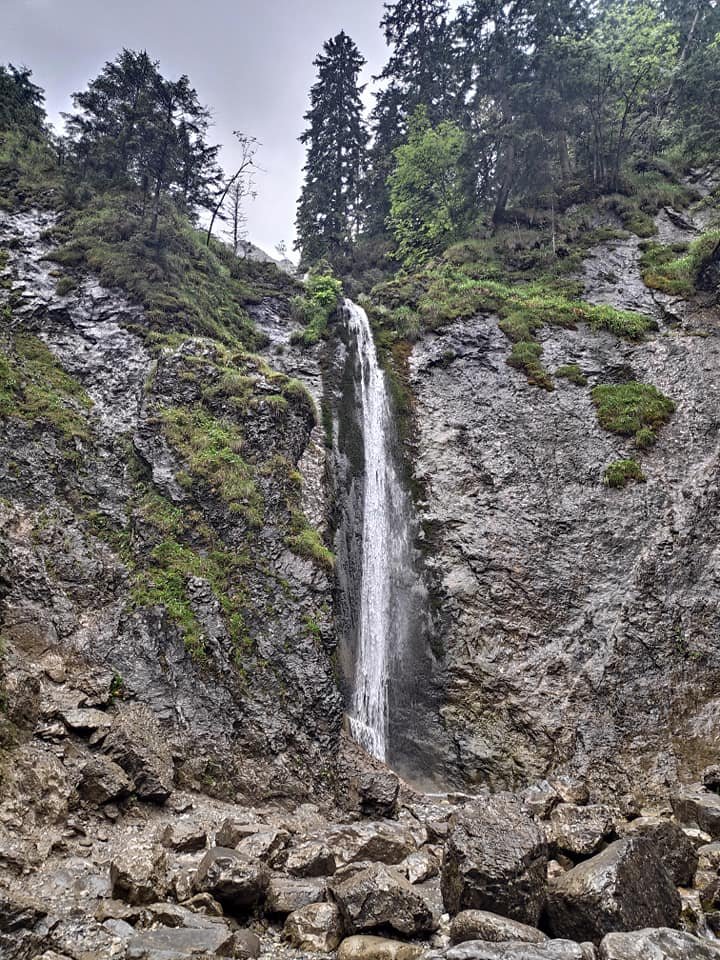
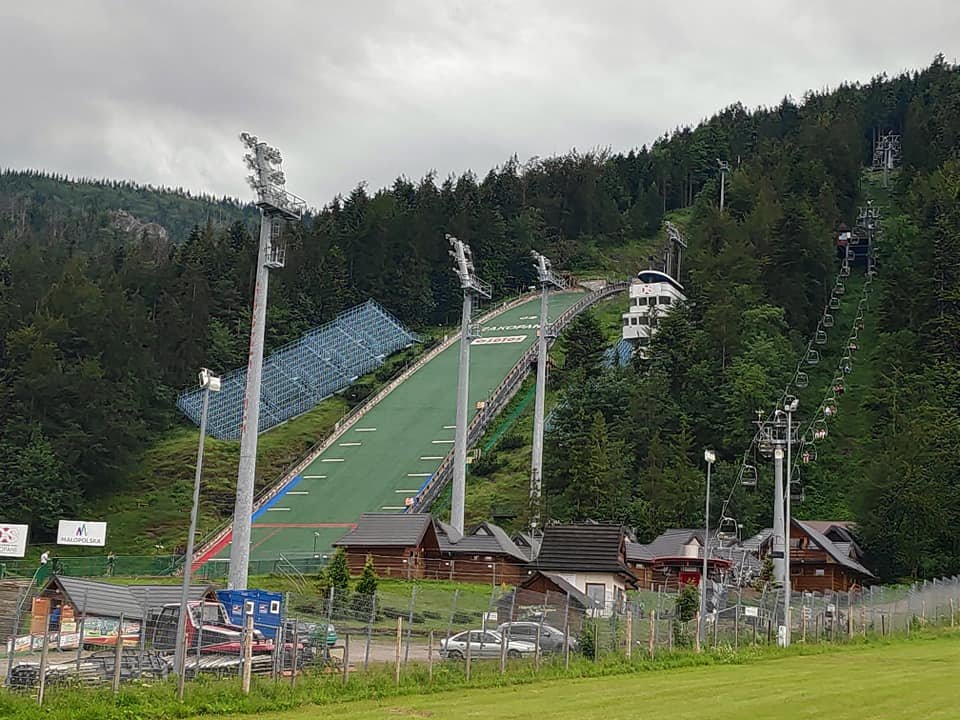
On the way back we stopped at the Siklawica waterfall (23 m high) in the Strążyska Valley, and in Zakopane at the Wielka Krokiew ski jump. Giewont was one of my two biggest goals of this stay, so I am really glad we made it.
Day 4: Rysy
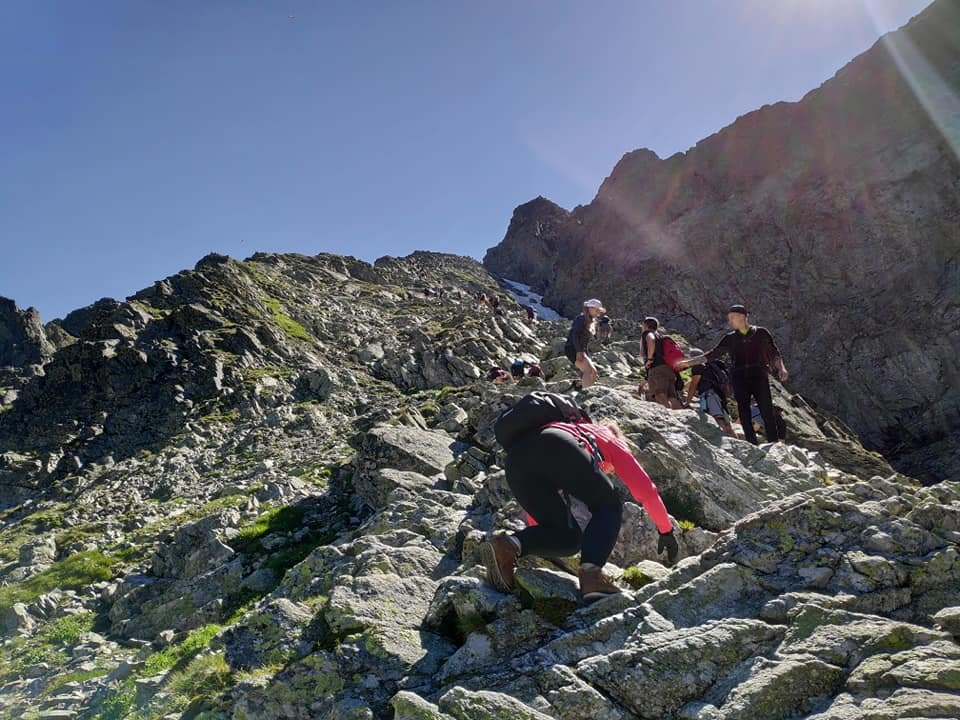
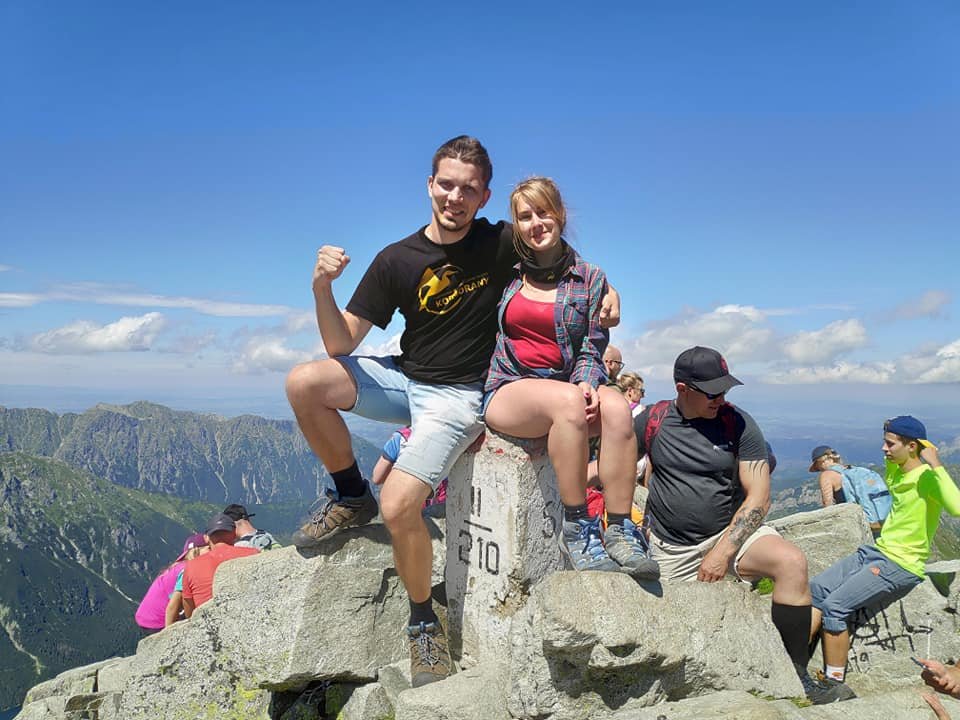
On 28 July it was time for the second big goal – Rysy (2499 m), the highest peak in Poland. We set off from Palenica Białczańska at 4:40, via Morskie Oko and Czarny Staw, and stood on the summit between 1 and 2 p.m. – mainly because of the long waits on the chains. The full account with hiking times and tips is in a separate post: Rysy from the Polish side – trip report and tips. The day after Rysy we rested.
Day 6: Kasprowy Wierch on foot and Hala Gąsienicowa
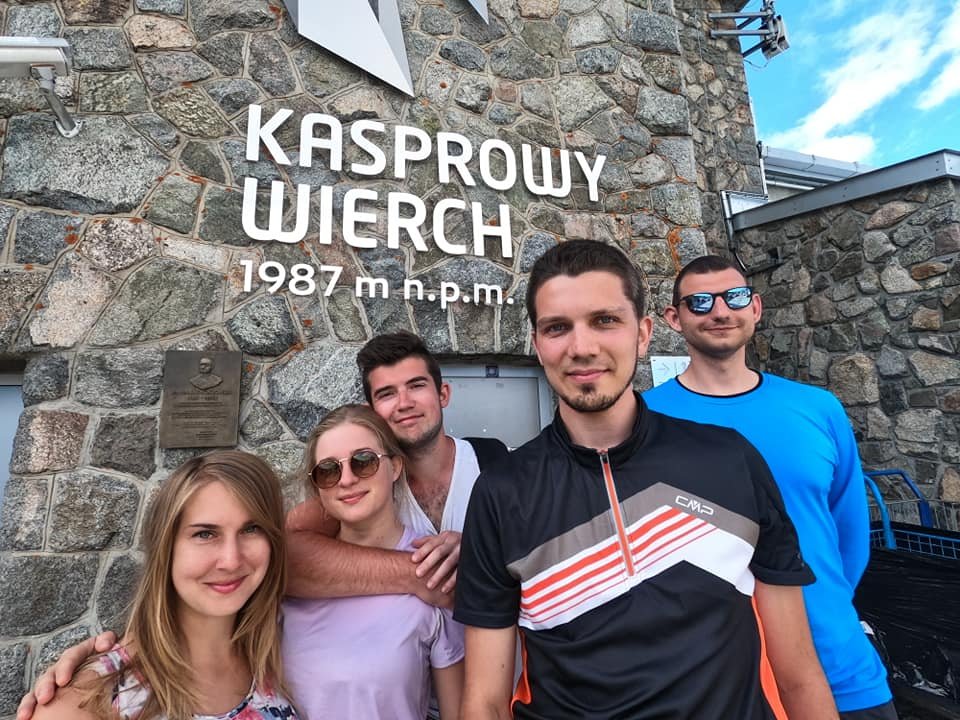
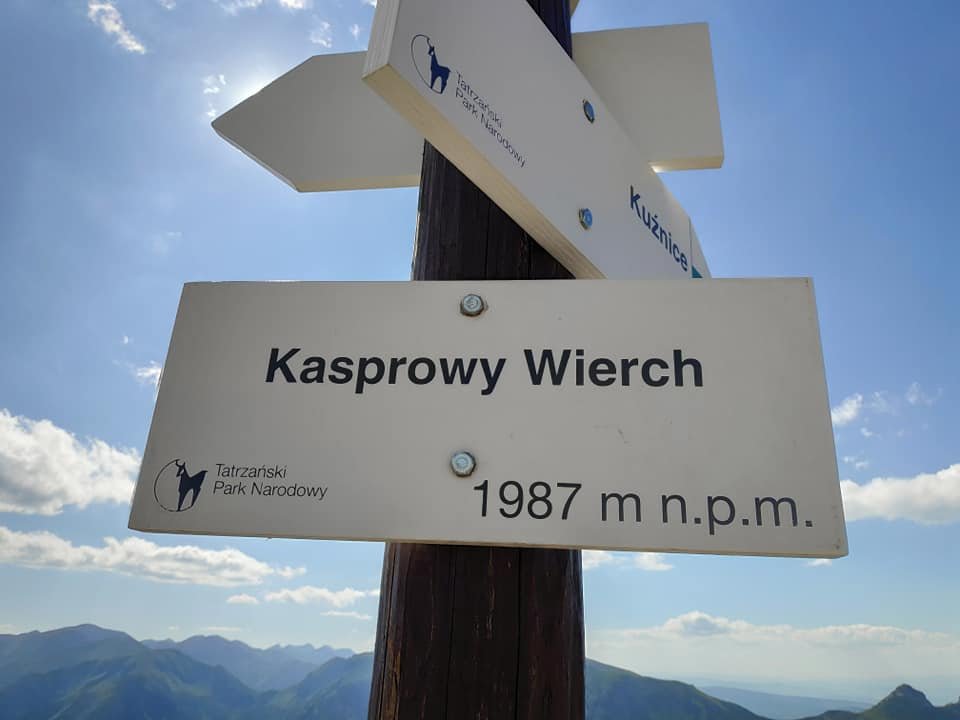
On 30 July we decided to head up Kasprowy Wierch (1987 m above sea level). As with Giewont, we started from Kuźnice, this time late – at about 12:30. The vast majority of people took the cable car, as the long queues in front of the station showed. We decided “not to cheat” – all the more so because the cable car ticket is expensive.
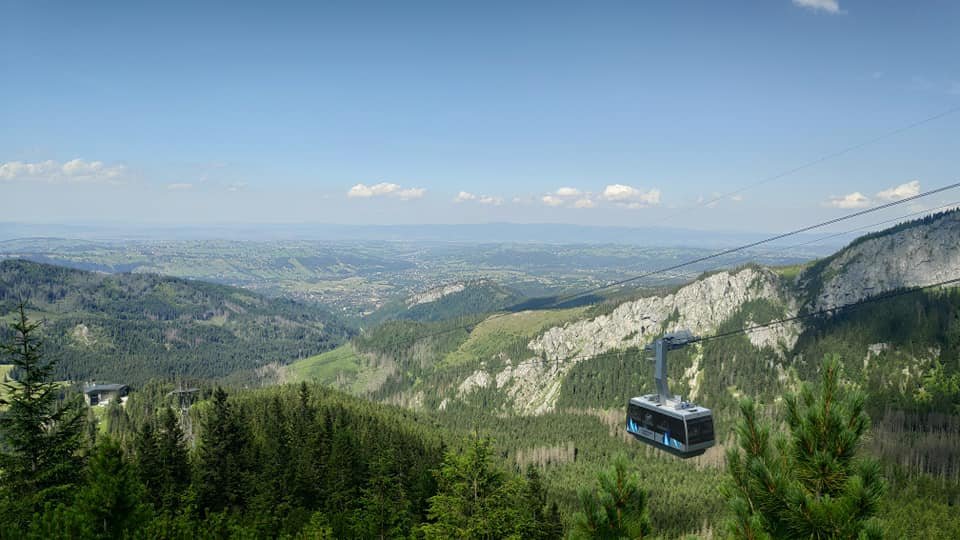
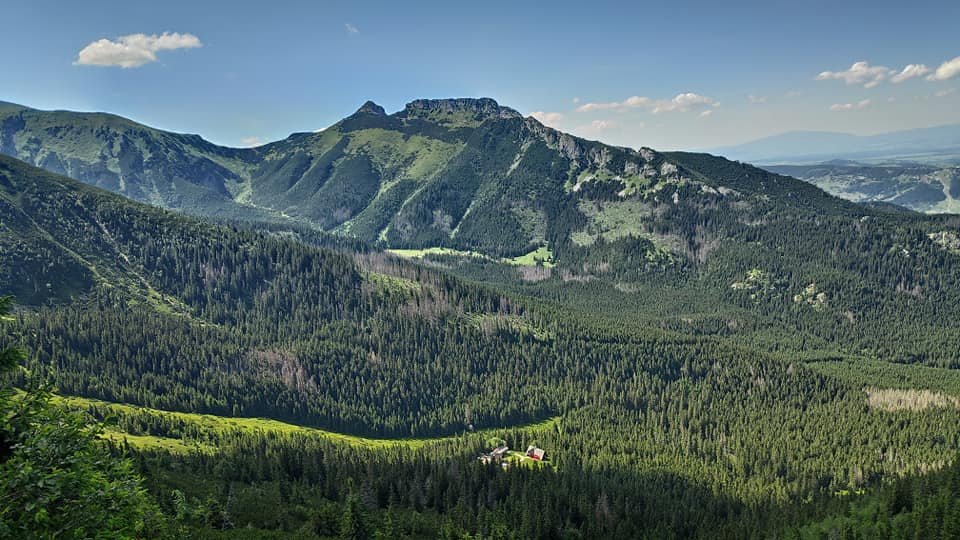
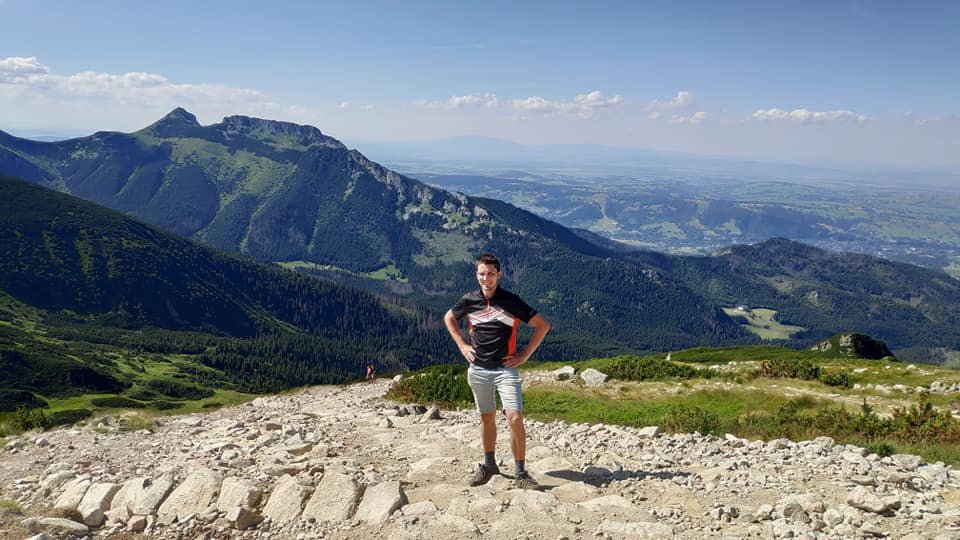
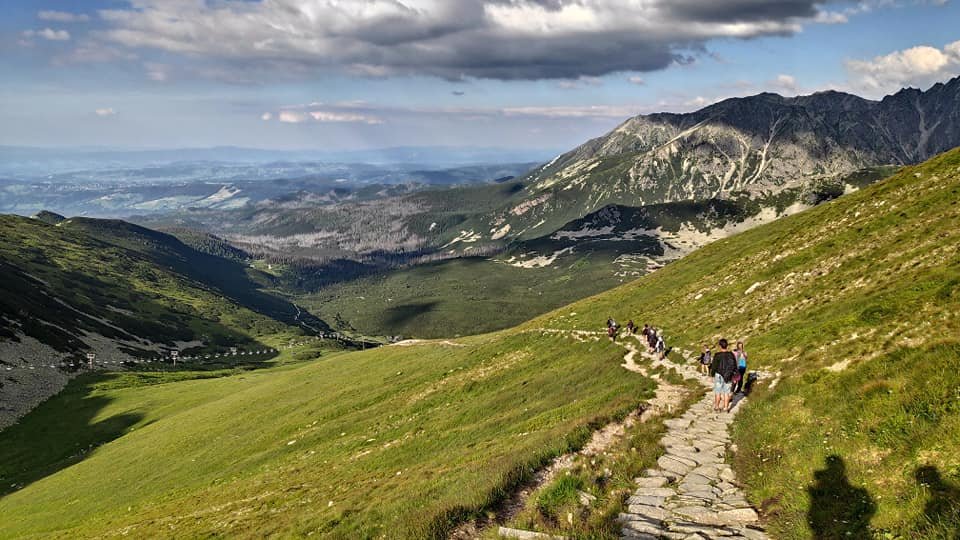
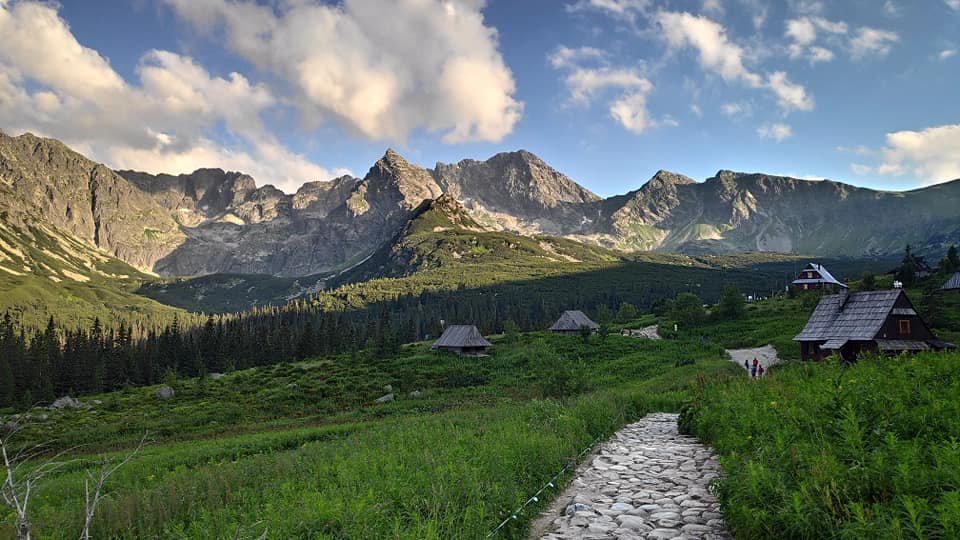
The trail runs roughly along the cable car line. It is not very demanding, but it takes quite a while, so we reached the top shortly before 4 p.m. The views from the path are wonderful: Giewont and Zakopane on one side, and more and more Tatra ridges on the other.
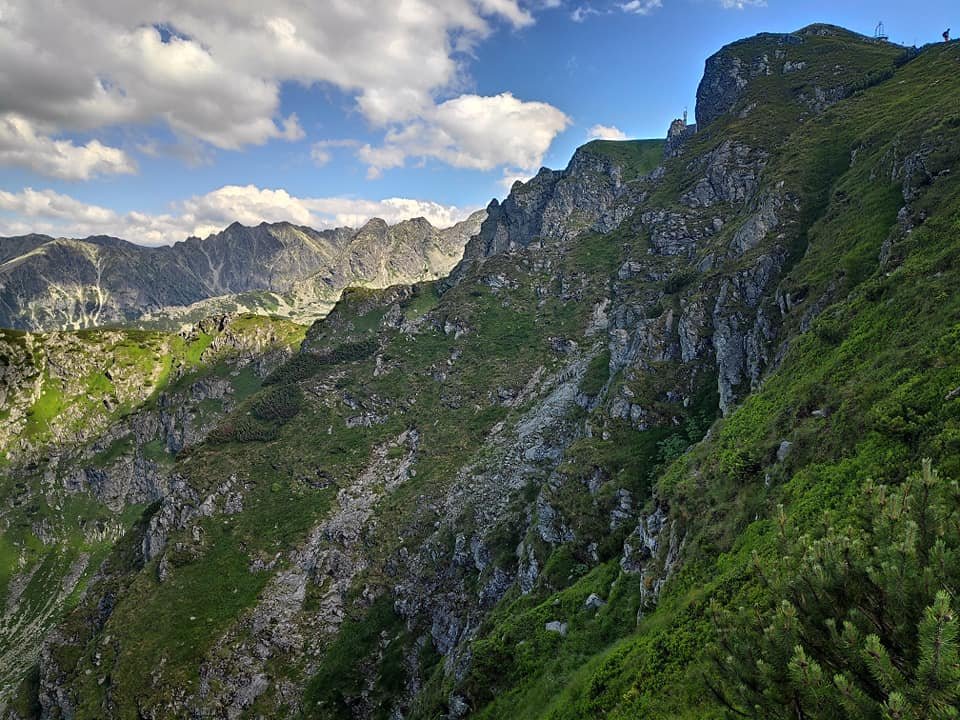
Kasprowy Wierch lies on the border, so once again we could see land that already belongs to Slovakia. From the summit you can see, among others, the Goryczkowe passes and Kopa Kondracka on one side, and Świnica, Kościelec and the Gąsienicowe ponds on the other. There is also a weather station with a bell on the top.
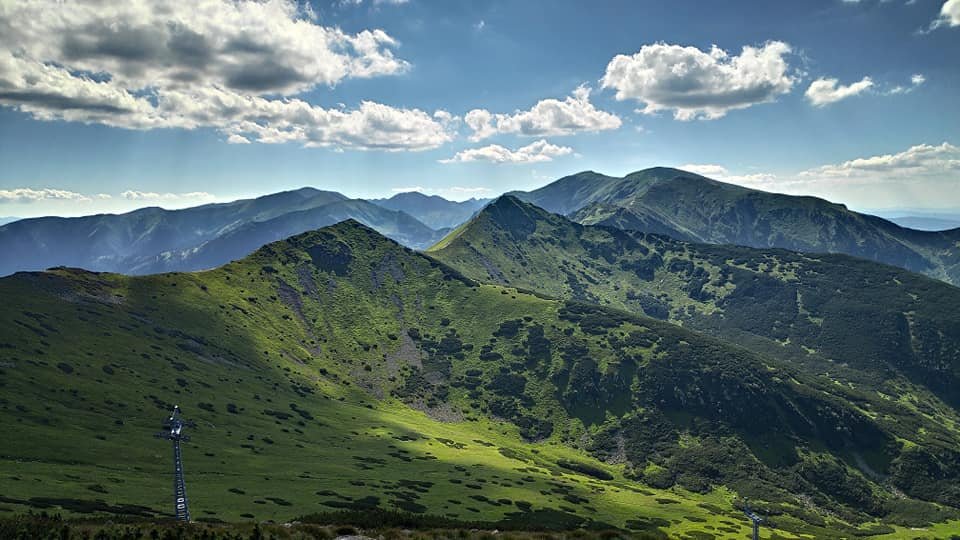
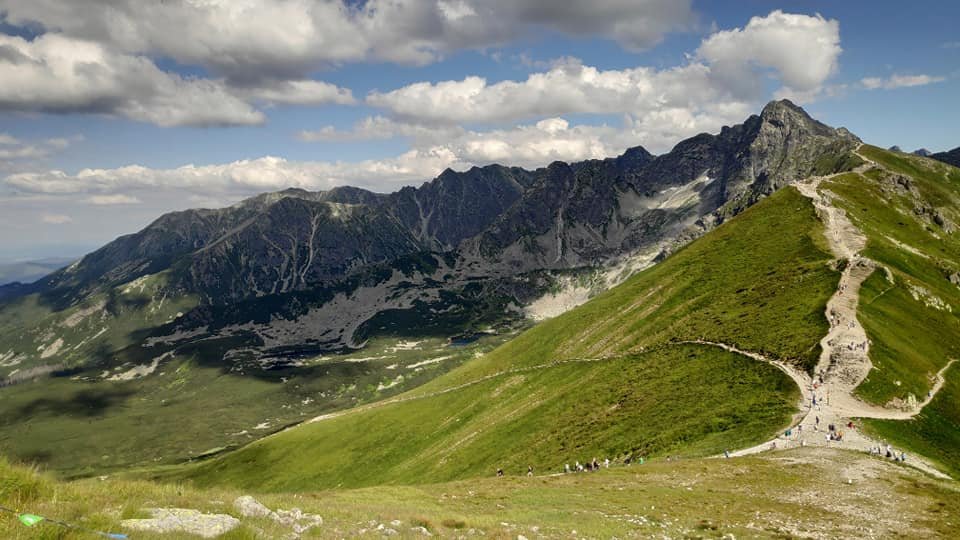
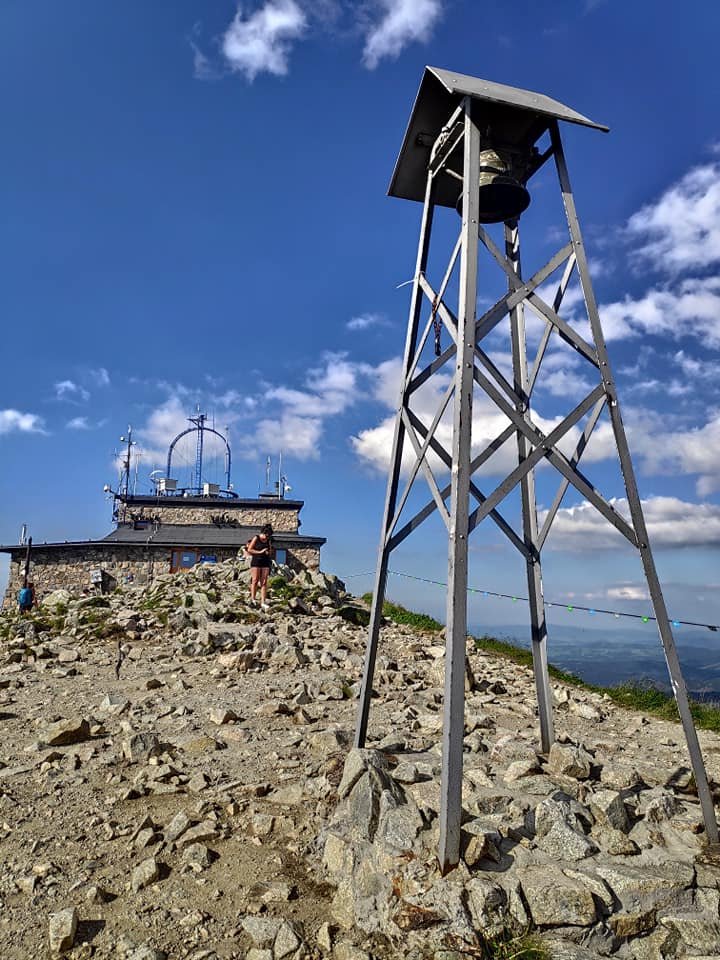
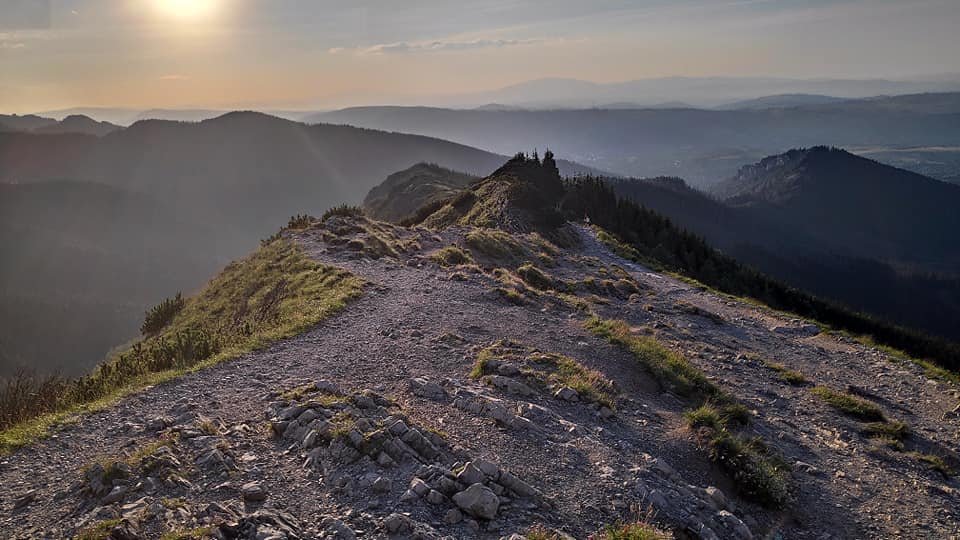
After a short rest on the summit we went back down the eastern side – via Hala Gąsienicowa and the Murowaniec mountain hut – admiring the last rays of the setting sun.
Day 7: Pęksowy Brzyzek and Wielki Kopieniec
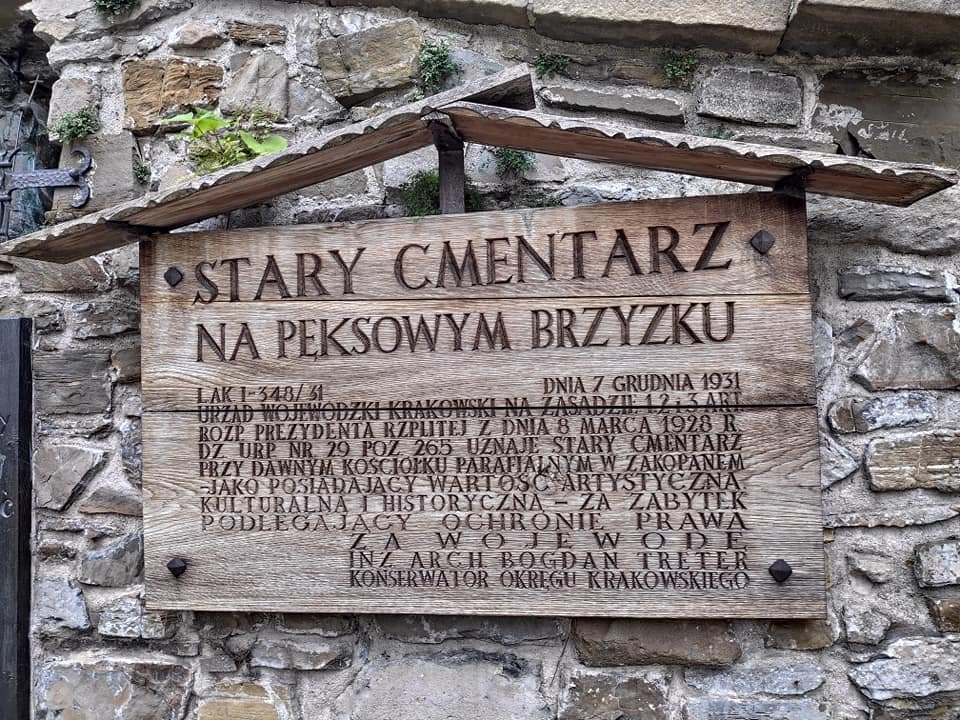
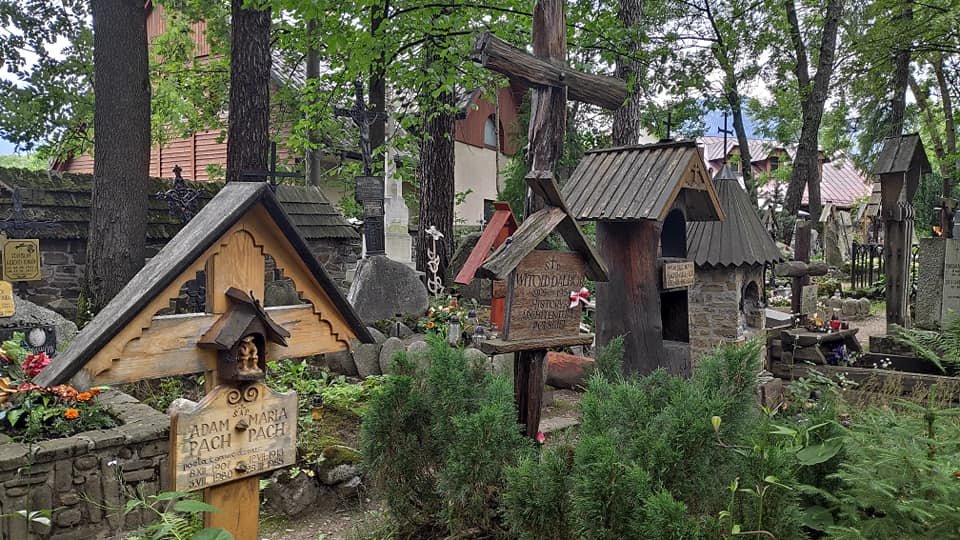
We started the last day, 31 July, at the Old Cemetery at Pęksowy Brzyzek in Zakopane – a cemetery of distinguished people, where many figures connected with Zakopane and the Tatra Mountains are buried, including Tytus Chałubiński and Kornel Makuszyński. The wooden, carved gravestones in the Podhale highland style are stunning.
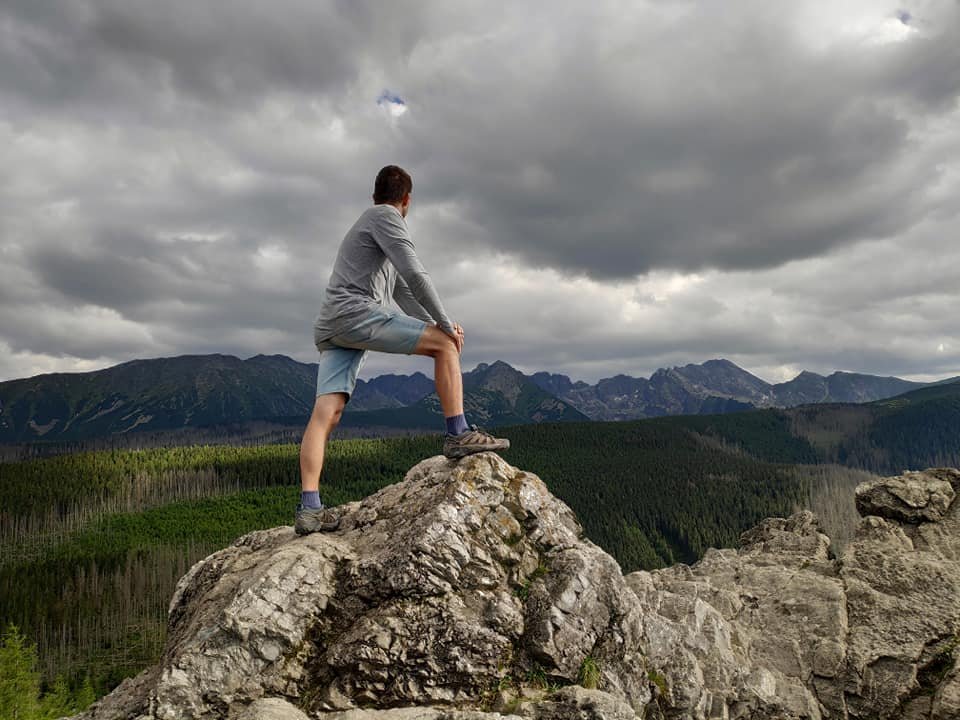
Finally we climbed the modest Wielki Kopieniec (1328 m above sea level) – with a steep climb on the last section. This time, from the trail, we could admire from below the area we had walked down the day before from Kasprowy. On 1 August we left Zakopane – that was the end of our adventure in the Tatra Mountains, but we will definitely be back. It is only a matter of time!
Practical information
- Base – we stayed in Zakopane; Giewont and Kasprowy Wierch start from Kuźnice, Rysy from Palenica Białczańska (reachable by minibus or taxi).
- Entry to the Tatra National Park is paid – you can buy tickets at the trailheads or online; current prices and rules at tpn.pl.
- Start early – in summer the trails are crowded, and in the afternoon rain and thunderstorms often roll in (we got caught in the rain on Nosal and on Giewont).
- Cable car to Kasprowy Wierch – in season there are long queues in front of the station and the ticket is expensive; walking up from Kuźnice took us about 3.5 hours.
- Chains – Giewont has a short section with chains below the summit; Rysy a much longer one (more in the post about Rysy).
- Crown of Polish Mountains – Rysy is the Tatra peak in the Crown of Polish Mountains (a list of the highest peaks of Poland’s mountain ranges); you can get the stamp, among other places, at the mountain hut by Morskie Oko.
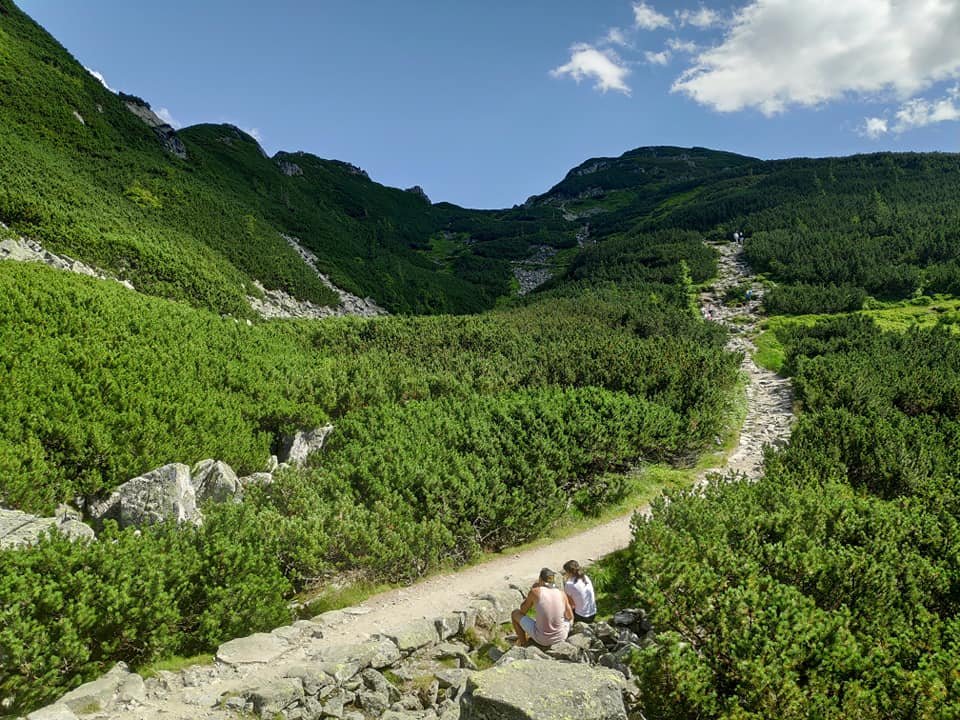
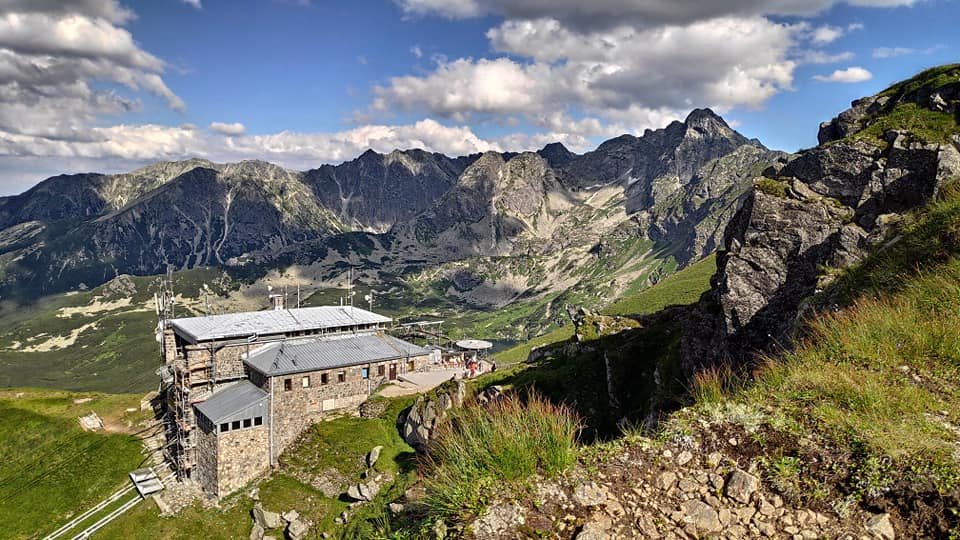
Photo gallery